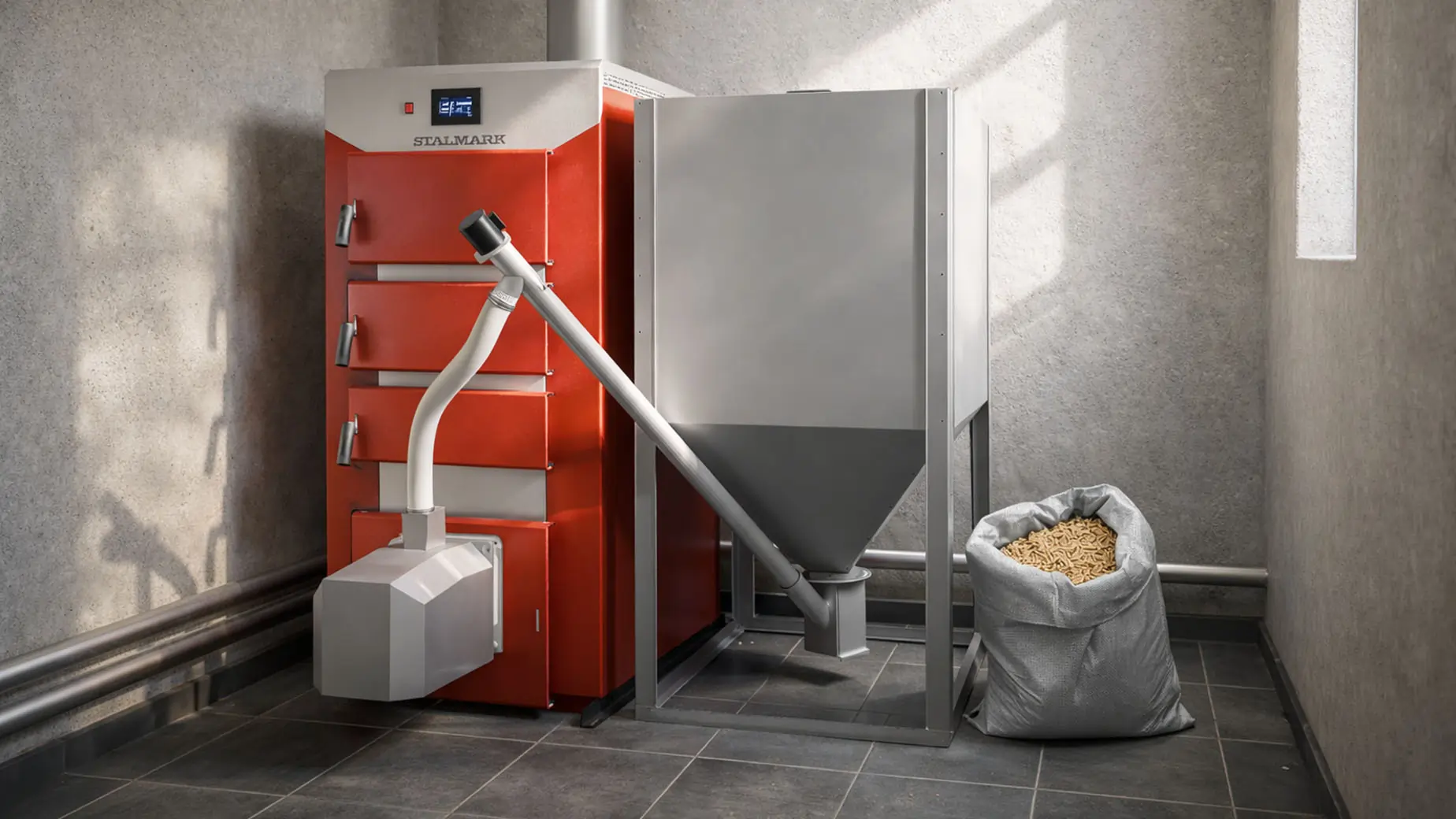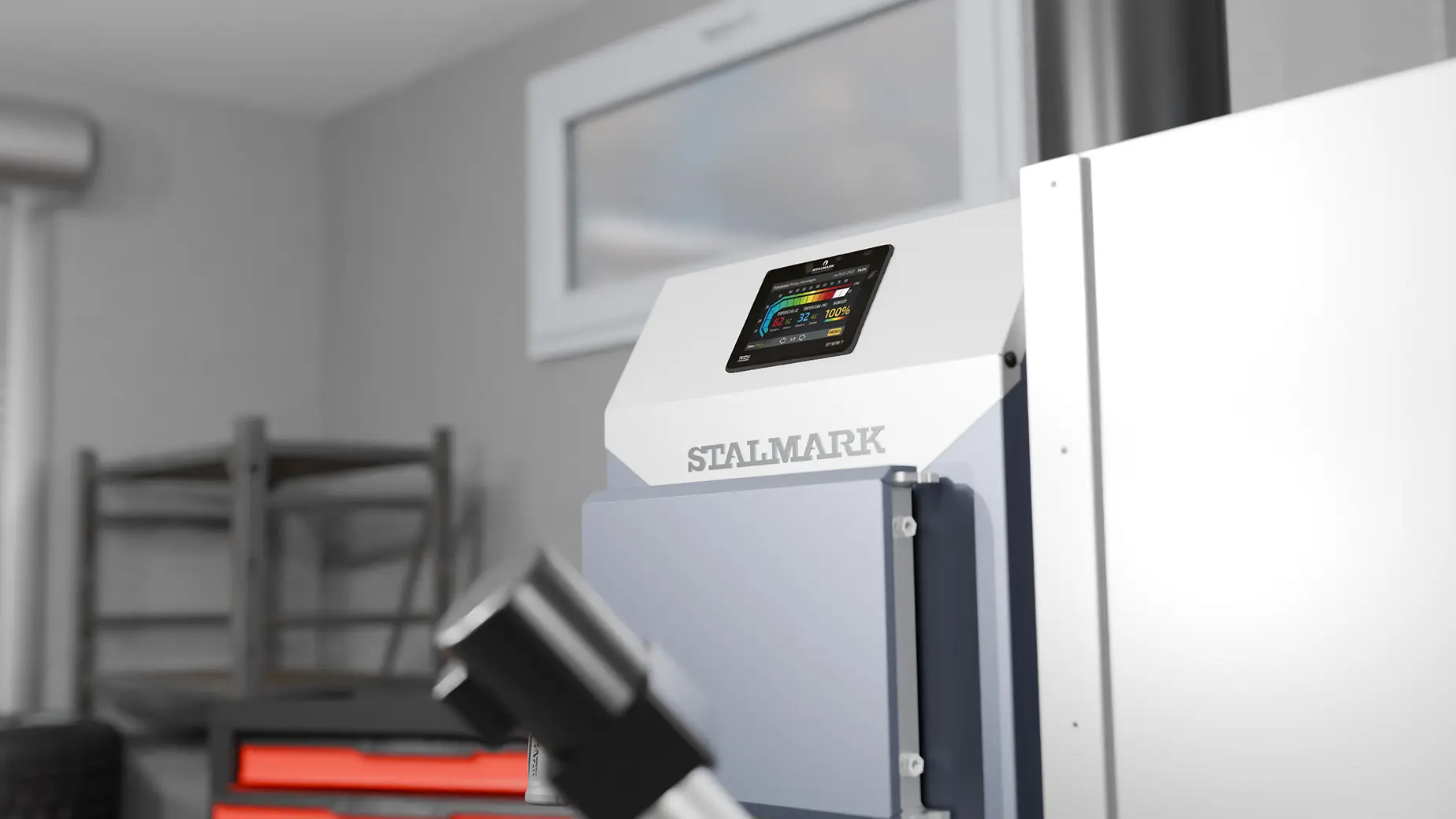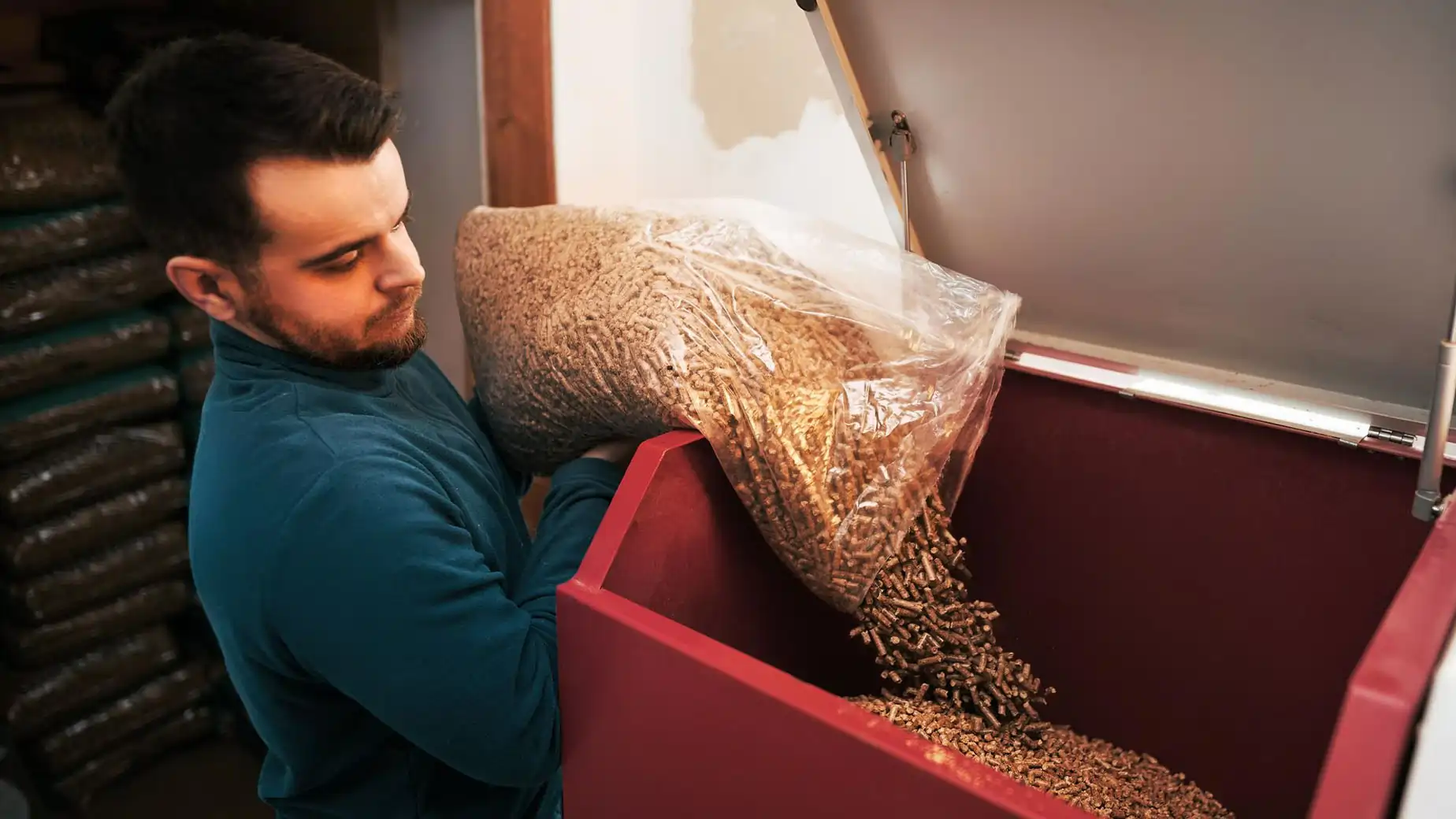
Pellets are a convenient and clean fuel, but the capacity and type of storage tank is also crucial for efficient heating. It determines the frequency of refilling the fuel and the comfort of boiler operation. Find out which storage tank will work best for your home.
Pellet storage tank - why does it matter?
The hopper acts as fuel storage. Pellets go into it in bulk, and then, with the help of a feeder, are transported to the combustion chamber. On the size and quality of the hopper depends:
-
how often you add pellets,
-
how much space the whole set will take up in the boiler room,
-
whether the boiler will be able to operate continuously during periods of peak heat demand.
Thus, the proper selection of a storage tank is not only a convenience, but also saves time and ensures the safety of operation of the entire system.
What kind of storage tank for a pellet stove should I choose?
When choosing a storage tank for a pellet stove, three aspects are key:
-
capacity - the frequency of refilling depends on it.
-
Available space - a larger hopper requires more space in the boiler room.
-
Boiler compatibility - the hopper must be matched to the furnace model and feeder system.
Small pellet hopper - advantages and limitations
A small pellet tank is most often chosen by homeowners with limited space in the boiler room. What are the advantages of such a solution?
-
The device takes up little space - ideal for small boiler rooms,
-
Easy to install and clean,
-
Lower price compared to large models.
The disadvantage of a small hopper is the need for more frequent topping up of pellets. At the peak of the heating season, this can mean refilling the fuel even every 1-2 days. Such a solution is also associated with less convenience of use, especially in houses with high energy demand. Nevertheless, a small storage tank will work well where the pellet boiler serves as an additional heat source or in buildings with low heating needs.
Large pellet hopper - when is it worth opting for one?
Such a variant has many advantages - first of all, it requires less frequent refilling of fuel, which in practice means refilling once a week or even less often. This gives the boiler more autonomy, which you will appreciate especially when you are away from home for a long time. In addition, buying pellets in large packages, you can pour more fuel into the hopper at one time, which shortens and facilitates the entire refilling process.
However, you need to keep in mind a few disadvantages of such a solution. A large hopper requires a sizable boiler room, generates a higher purchase cost and weighs much more, making it more difficult to move or relocate. Despite these limitations, for most users it is definitely a more comfortable solution, which ensures maintenance-free operation of the boiler for a longer period of time.
Enlarged storage tank for Eko Silver III boiler - comfort for years to come
If you use the Eko Silver III boiler, you can choose an optional enlarged storage tank with a capacity of 385 liters. This solution is dedicated to users who want to reduce the frequency of pellet refilling to a minimum. Thanks to the large capacity of the hopper, the boiler can operate stably even during peak load periods, and you will gain full convenience and save time. Choosing the right hopper for a pellet stove has a direct impact on the convenience of the heating system. A small hopper will work well in small houses or with limited space in the boiler room, while a large hopper is a solution for those who value maintenance-free boiler operation and infrequent refilling.
FAQ
1. Can any pellet stove be retrofitted with a larger storage tank?
Not always. The possibility of expansion depends on the design of the boiler and the manufacturer. It is worth checking in the technical documentation or with the distributor whether a particular model provides for the installation of a larger tank.
2. What are pellet hoppers made of?
Most often they are manufactured from powder-coated steel, which is resistant to corrosion and abrasion. You also come across textile or composite storage tanks - lightweight, but less popular in domestic installations.
How to take care of a pellet hopper to make it last longer?
Once every few months it's a good idea to thoroughly empty it and remove the fine wood dust that accumulates on the bottom. Regular cleaning prevents clogging of the feeder and improves the quality of boiler operation.
Can the pellet hopper be set up in a different room from the stove?
Yes, some installations use so-called external hoppers with a pneumatic transport system. This solution allows you to store pellets, for example, in a separate utility room.