More and more people are choosing pellet heating. However, many failures, high combustion or smoking are not due to the quality of the boiler, but to installation errors. A poorly connected stove can cause problems from the very first season.
Introduction
Planning to install or replace your old boiler? In this article you will read how the installation of a pellet stove looks like in practice, what you need to pay attention to when connecting to the chimney and installation, and why some elements are simply not worth skipping.
Installation of a pellet stove - where does the whole process even begin?
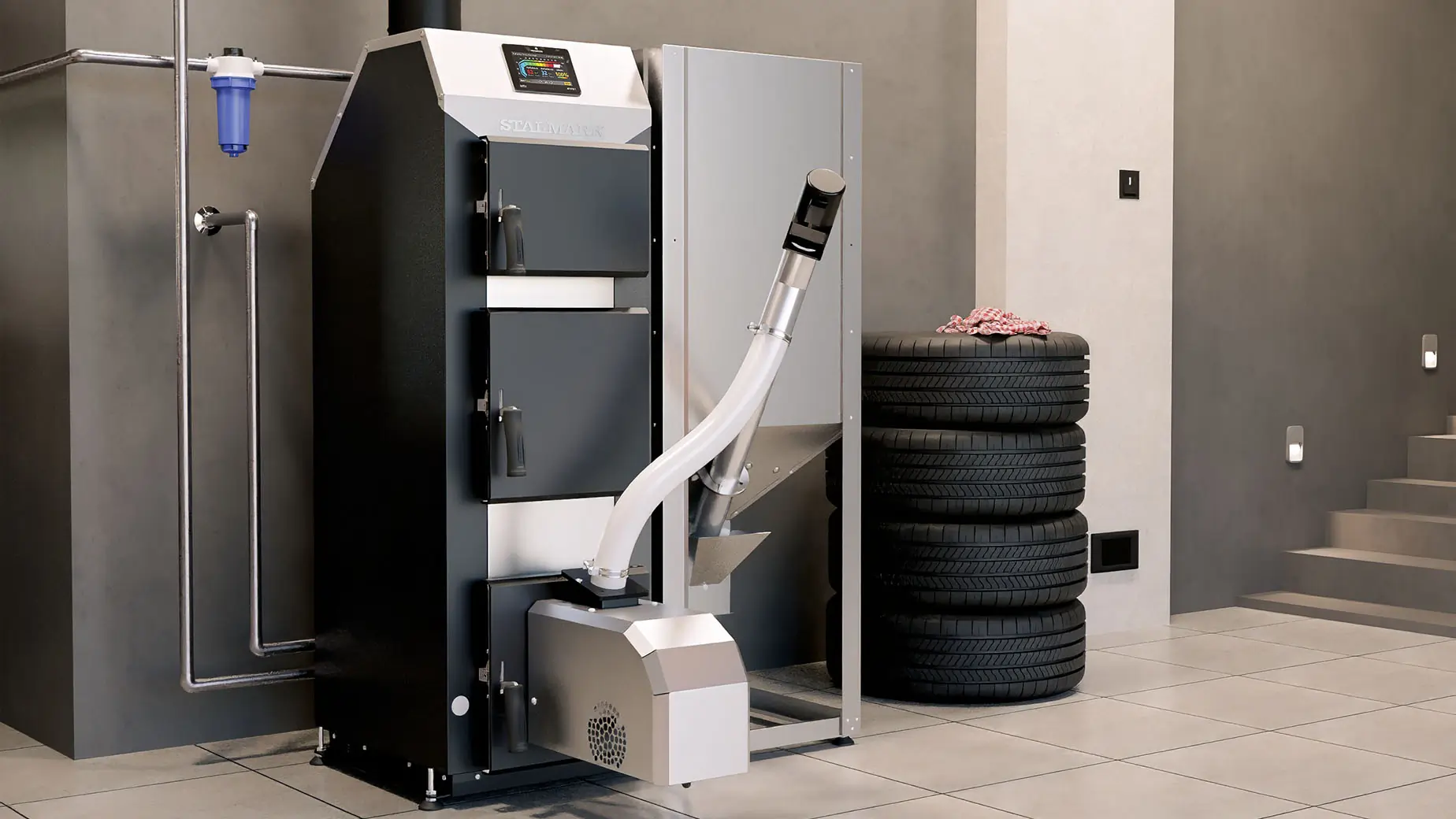
The installation of a pellet stove does not begin with bringing the device into the boiler room. It starts with checking whether the building and the existing installation are at all prepared for such a heat source. An experienced installer first evaluates the chimney, ventilation and the way the heating system currently works. Only after this assessment can the next steps be planned. In practice, the whole process usually involves the following several steps:
- preparing the installation site and checking the technical conditions;
- evaluation and possible upgrade of the chimney;
- setting and leveling the boiler;
- connecting it to the central heating system;
- making the flue connection;
- connection of electrics and controls;
- initial start-up and adjustment.
This order is not accidental. Its omission or "doing everything at once" very often ends up with a makeshift, which later avenges itself with problems with the operation of the device.
CHECKLIST: Is my house ready for a pellet stove?
Before you think about buying the right unit and installing it, answer the following questions. Whether:
- Do you have a working, unobstructed chimney or a realistic possibility of a chimney liner?
- The boiler room has supply and exhaust ventilation?
- There is room for the stove itself + service access?
- You have somewhere to store pellets (dry, close to the boiler)?
- There is an electrical outlet in the boiler room?
- The CO system is in a condition that can be sensibly upgraded?
- You know where the condensate / condensate will be discharged (if the boiler requires it)?
If the answer to any of these questions is "no", it does not mean that a pellet stove can not be installed - but it must be included in the work plan and budget.
How to connect a pellet stove to the system so that you do not regret after the first season?
The mere fact that the boiler heats does not yet mean that the installation is done well. Pellet stoves are sensitive to operating conditions, especially to excessively low return temperatures and unstable flows. Therefore, a correct connection is more than just plugging in two pipes. In a well-executed installation, it is very common to see such elements as:
- mixing valve, which protects the boiler from cold return;
- a properly selected circulating pump;
- a filter or dirt separator;
- a set of safety devices required by regulations;
- increasingly, also a heat buffer.
The buffer is not a fad. In many installations it allows to stabilize the operation of the boiler, reduce the number of firings and extinguishments, and in practice often reduce the consumption of pellets. Well-designed plumbing almost always improves the durability and economy of the entire system in a noticeable way.
Connecting a pellet stove to a chimney - the most common source of problems
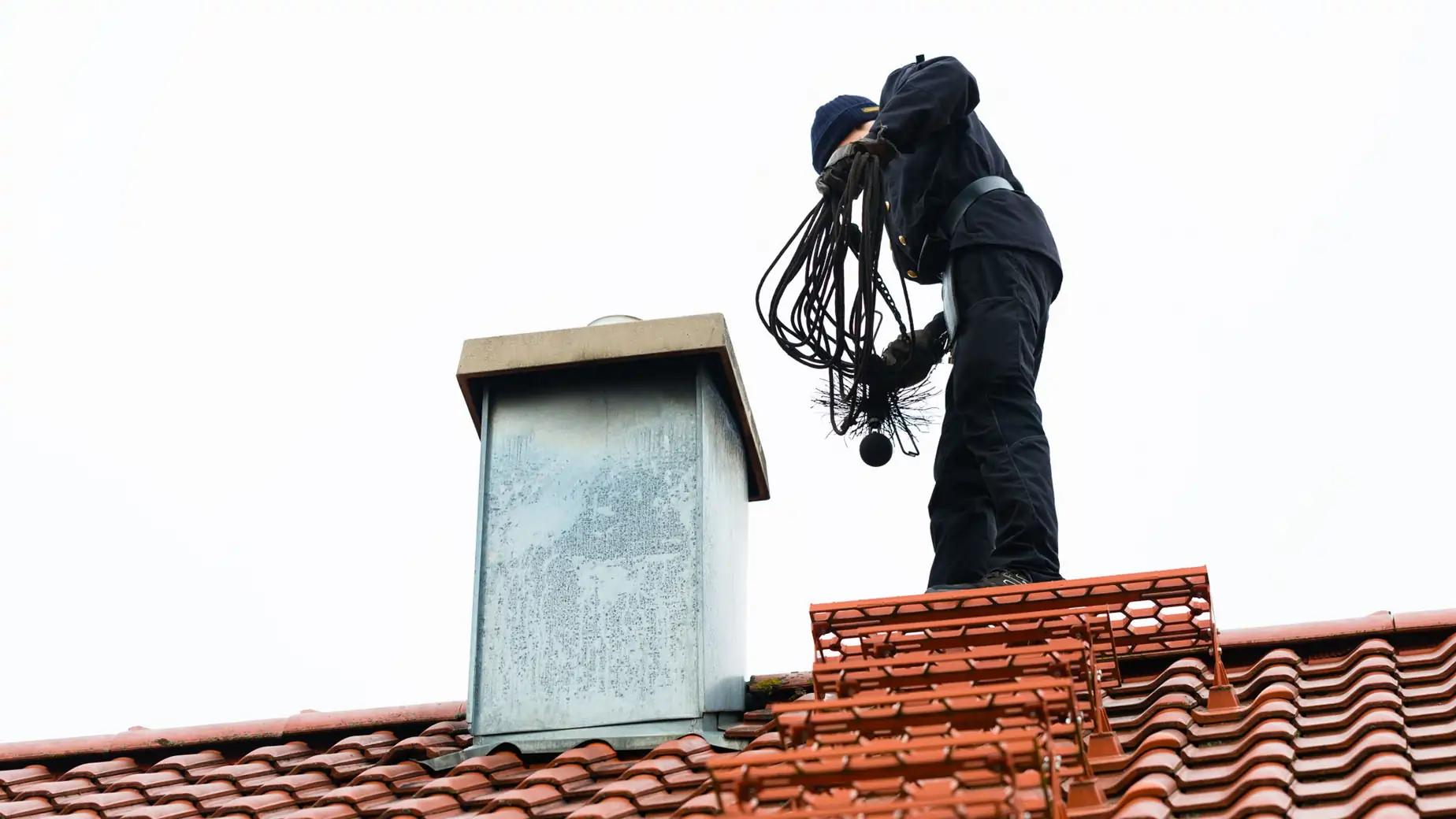
Surprisingly, many problems with pellet stoves originate from a poorly prepared chimney. These devices operate under different conditions than old coal boilers - the flue gases are cooler and contain more moisture. This means that the chimney must be prepared for this. When connecting a boiler, you must always pay attention to:
- the tightness of the flue;
- Its cross-section and height;
- resistance to condensate;
- the correct design of the flue and its slopes;
- cleaning and inspection capabilities.
If any of these elements are neglected, draught problems, flue gas backflow, or chimney dampness occur very quickly.
Is a chimney liner really necessary?
In the vast majority of older homes, the answer is yes, a chimney liner is not so much an option as a necessity. Old masonry chimneys are usually not resistant to the acidic condensate that forms when pellets are burned. The lack of an insert can lead to some very serious problems:
- destruction of the chimney from the inside;
- the formation of stains and bad odor in the building;
- deterioration of the draught;
- problems with installation acceptance and warranty.
Therefore, the standard today is to install an acid-resistant steel insert that protects the chimney and stabilizes the operating conditions of the boiler.
How much does it cost to install a pellet boiler and what does the price depend on?
There is no single fixed price, because the scope of work can be quite different. A simple boiler replacement is priced differently, while a boiler room is built practically from scratch. Most often, the final cost is influenced by:
- the condition and type of chimney;
- the need for plumbing modifications;
- the presence or absence of a buffer;
- the complexity of the installation;
- region and scope of work.
In practice, a simple installation is usually several thousand zlotys, but the cost of installation depends on the scope of work and the condition of the existing installation.
- Simple installation of a boiler (without major modifications to the installation) is usually about 3,000-5,000 zlotys.
- Installation with reworking of the installation and automation is usually a cost of approx. 5,000-8,000 PLN.
- Additional components (e.g. chimney insert, heat buffer): can increase the cost by another several thousand zlotys.
Pellet stove is a good and modern source of heat, but only if it is well connected. Most problems are not due to defects in the equipment, but to design and installation errors. Therefore, instead of looking for savings on the installation, it is better to make sure it is done professionally. If you want to be sure of the quality of such services, use the experience of our authorized installation partners and contact us!
FAQ: Installation of a pellet stove - how does it go?
1. How much does it cost to install a pellet boiler?
The cost of installation depends on the scope of work, the condition of the installation and the chimney, and usually ranges from a few to several thousand zlotys. The cheapest is a simple boiler replacement, and the most expensive is a full boiler room upgrade with chimney liner and buffer.
2. Does there need to be a chimney liner when installing a pellet stove?
In most cases, yes, because old chimneys are not resistant to the moist and acidic fumes from pellets. The lack of an insert can lead to chimney deterioration and draft problems.
3. How long does it take to install a pellet stove?
A simple installation usually takes one to two working days. A more extensive boiler room upgrade can take several days.
4. Can a pellet stove be connected to an old central heating system?
In many cases yes, but it often requires modifications or retrofitting with a mixing valve and safety devices. The final decision depends on the condition of the installation and its scheme.
5. Is a heat buffer needed for a pellet stove?
It is not always mandatory, but in many installations it is strongly recommended. The buffer stabilizes the operation of the boiler and can reduce the consumption of pellets.
6. Does the pellet stove need to be connected to electricity?
Yes, because the controller, feeder, fan and igniter are electrically powered. Without electricity, the boiler will not operate.
7. Does the installation of a pellet stove need to be reported?
Replacement of a heat source usually requires notification to the authority and registration with the CEEB. In some cases, additional paperwork may be needed.
8. Is it possible to install a pellet stove on my own?
Technically it is possible, but it often means loss of warranty and risk of errors. So we recommend using our services.
9. What are the most common mistakes when installing a pellet boiler?
The most common are lack of a chimney liner, lack of return protection and poor combustion control. Such mistakes result in higher combustion, breakdowns and smoke problems.
10. How do you know that the installation has been done correctly?
The stove works stably, does not smoke, and the consumption of pellets is as expected. The installer provides the commissioning protocol, instructions and complete documentation.