Regular cleaning of the chimney is one of the most important elements for the safe operation of the heating system. So it is worth knowing how often to clean the chimney, depending on the type of fuel, to ensure the safety and efficiency of the entire system.
Highlights from the article
-
The frequency of chimney cleaning depends on the type of fuel - with wood and coal, much more frequent inspections are required than with gas.
-
Regular removal of soot improves the chimney draft and affects the efficiency of the entire heating system.
-
The chimney from a fireplace, especially with frequent use, requires cleaning even several times a season.
-
Lack of maintenance increases the risk of soot fires and heating system failure.
How often to clean the chimney?
The frequency of cleaning the chimney depends primarily on the type of fuel and the intensity of use of the heating system. For solid fuels such as wood or coal, the chimney should be cleaned even several times a year.
It is assumed that:
- the chimney with solid fuels should be cleaned at least 3-4 times a year,
- with gas installations, an inspection once a year is sufficient,
- with fireplaces, the frequency depends on the intensity of use.
Regular cleaning avoids the accumulation of soot and improves the efficiency of flue exhaust.
How often to clean the chimney depending on the fuel?
The type of fuel has a key impact on the amount of deposits formed in the chimney. The more soot and debris, the more often cleaning should be performed.
Solid fuels
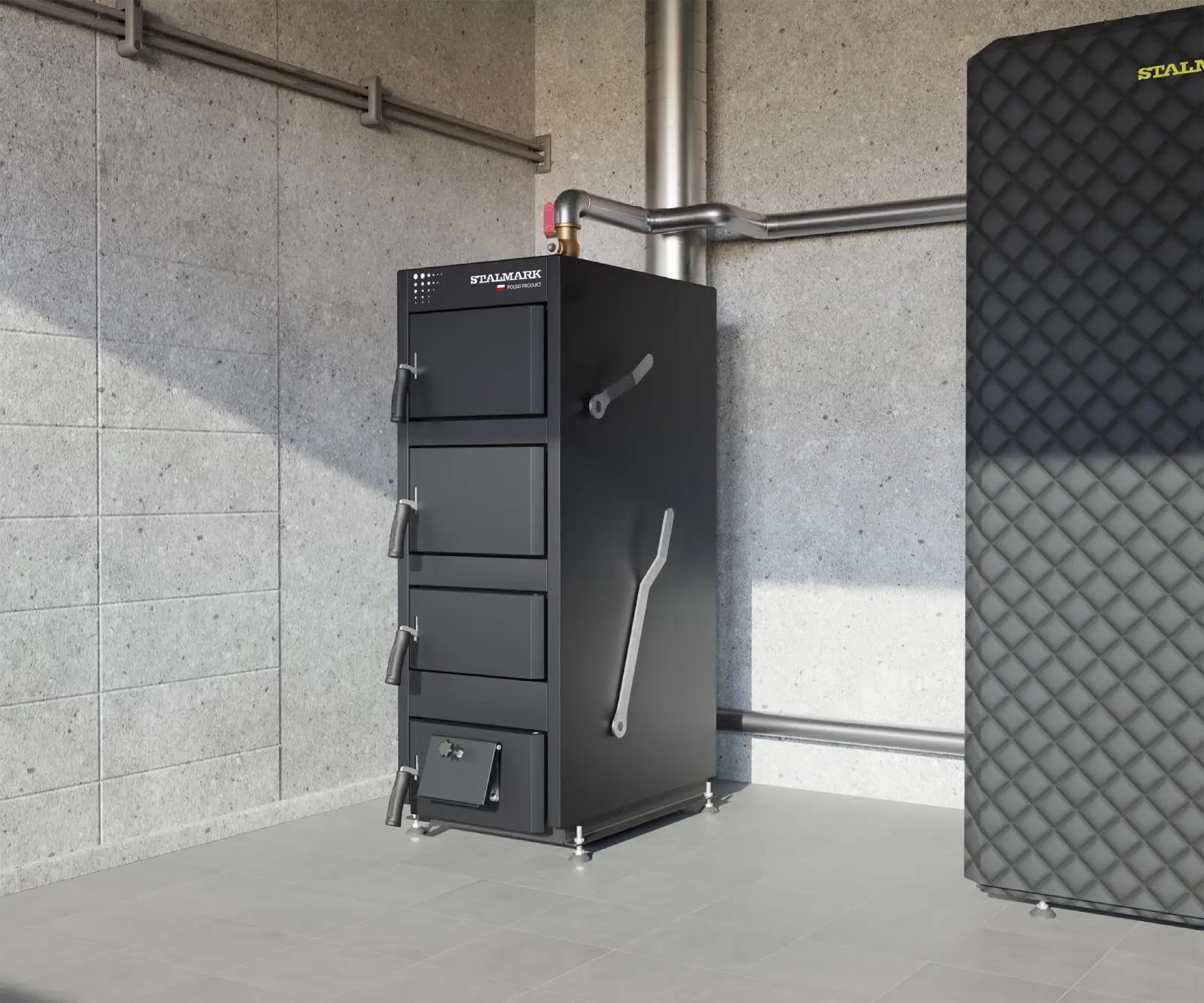
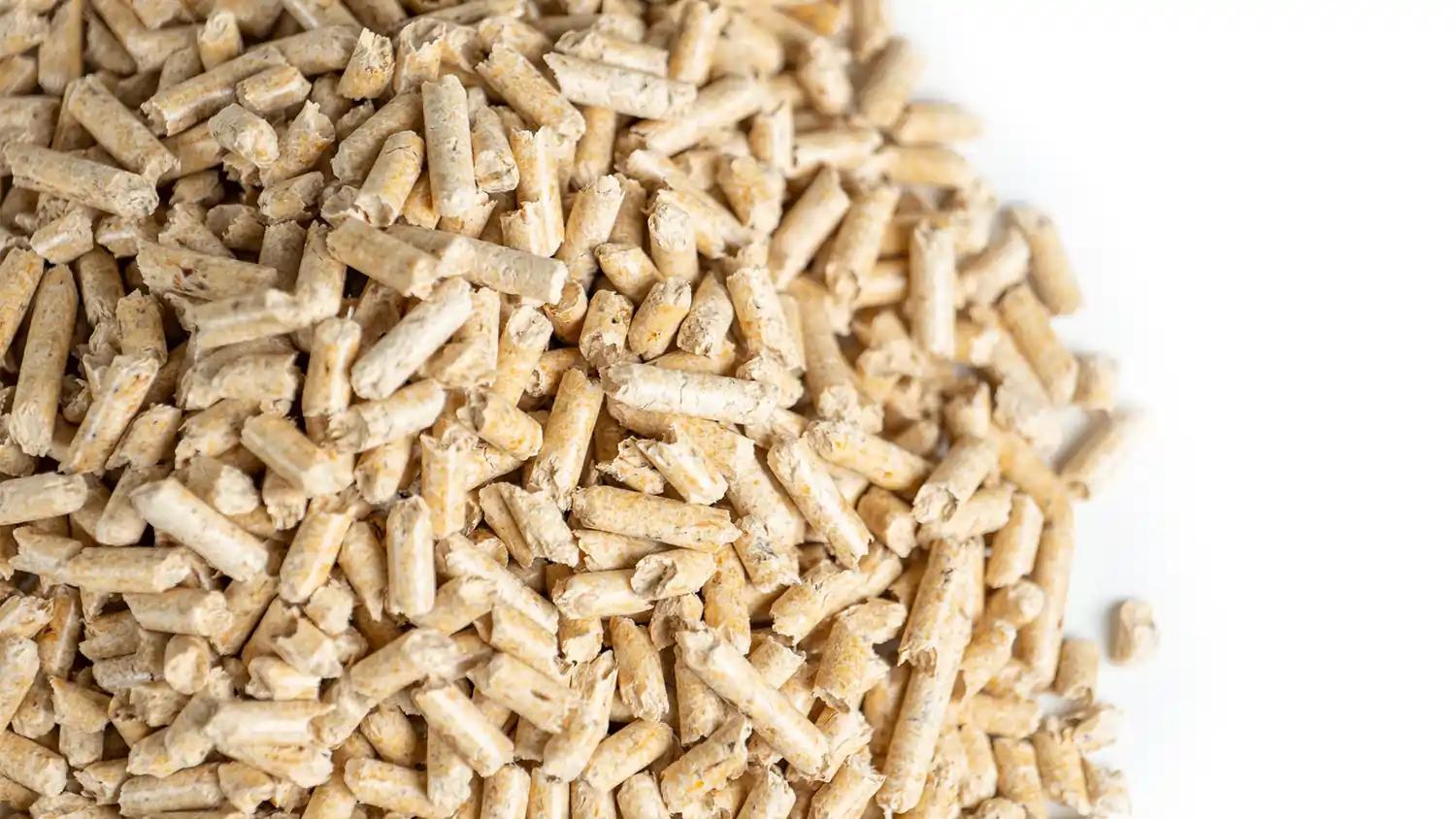
Appliances burning solid fuels, such as wood, coal and pellets, have the highest amount of pollutants generated. The combustion of these materials generates soot and tarry deposits, which are quickly deposited on the walls of the flue. For this reason, the chimney of such installations should be cleaned at least four times a year, or on average once every three months. However, if you use your fireplace extensively or use wood with a higher moisture content, you should consider even more frequent cleaning - even every two months.
Liquid fuels
Installations that use liquid fuels, such as heating oil, require cleaning somewhat less frequently. In their case, the amount of deposits is smaller, but still enough to affect the patency of the flue over time. Therefore, it is recommended that the chimney be cleaned at least twice a year, usually before and after the heating season.
Gas installations
Gas installations are the least problematic in terms of dirt. The combustion of gas is much cleaner, which means there are few deposits. However, this does not mean that you can dispense with inspections altogether. In such cases, the chimney should be cleaned at least once a year, and in addition, its tightness and patency should be checked regularly to avoid the risk of flue gas backflow.
How often to clean the chimney from the fireplace?
The chimney from the fireplace also requires regular maintenance, especially if it is used intensively. In practice, this means that the chimney should be cleaned at least several times during the heating season.
The frequency of cleaning is influenced by factors such as:
- frequency of burning in the fireplace,
- the quality and moisture content of the wood,
- the way the installation is used.
Moist wood produces more soot, which increases the risk of clogging the flue.
Why is regular chimney cleaning so important?
Systematic cleaning of the chimney has a direct impact on the safety and efficiency of heating. Accumulated soot can lead to ignition, posing a serious threat to the entire building.
Regular maintenance allows you to:
- reduce the risk of a soot fire,
- improve chimney draft,
- increase the efficiency of fuel combustion,
- extend the life of the installation.
As a result, the heating system operates stably and safely throughout the season.
How to recognize that the chimney needs cleaning?
There are several symptoms that may indicate the need to clean the chimney. The most common are draught problems and malfunction of the heating system.
Among the most common signals are:
- smoke withdrawal into the room,
- discernible smell of exhaust fumes,
- difficulty in lighting the stove or fireplace,
- decrease in heating efficiency.
In such a situation, it is not worth delaying the inspection and cleaning of the chimney flue.
What does chimney cleaning look like?
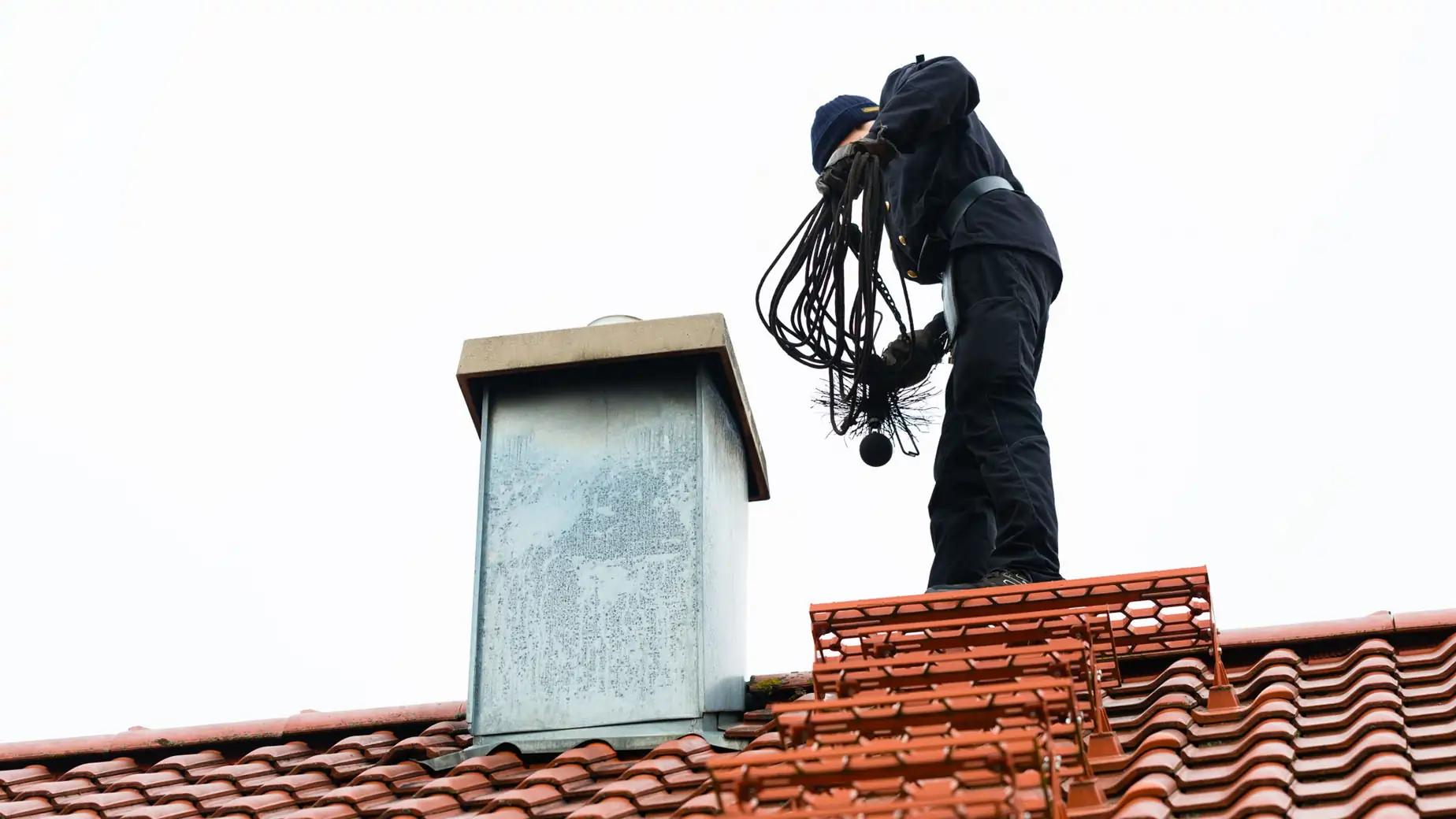
Chimney cleaning involves removing accumulated soot and other debris from the flue. It is most often performed by mechanical methods using special brushes.
Although chemical aids to cleaning are also available, they are no substitute for regular inspections by a chimney sweep. Professional inspection allows not only to clean the chimney, but also to assess its technical condition.
Regular chimney cleaning is a small effort that significantly affects the safety and comfort of home heating.
Ensure the safety of your heating system not only by regularly cleaning your chimney, but also by choosing a proven heat source. Check the range of boilers available on Stalmark and choose a solution that will ensure stable operation of the system and high heating efficiency.
FAQ
Can you clean the chimney yourself?
You can do basic cleaning, but the inspection and thorough cleaning should be done by a chimney sweep.
Are there regulations that specify the frequency of chimney cleaning?
Yes, building regulations specify the minimum frequency of inspection and cleaning depending on the type of fuel.
Are chimney cleaning chemicals effective?
They can assist in the removal of soot, but they are not a substitute for mechanical cleaning.
When is the best time to clean the chimney - before or after the season?
It is best to perform cleaning both before the heating season begins and after it ends.