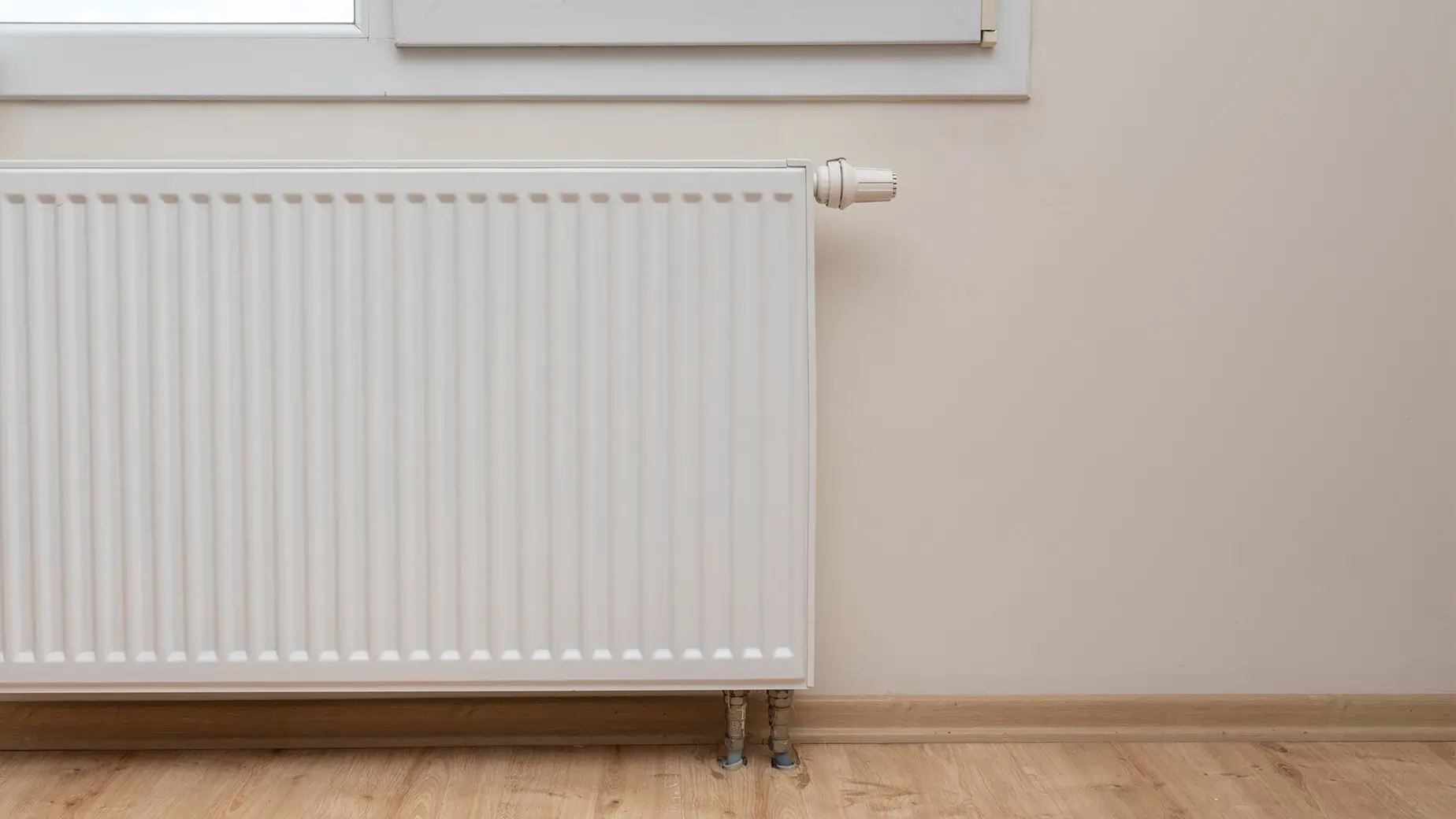
The furnace works, the temperature rises, and the radiators are cold? It doesn't have to be a major malfunction. Often a minor fault is to blame, which you can fix yourself. Find out where to look for the cause and how to restore heat to your home!
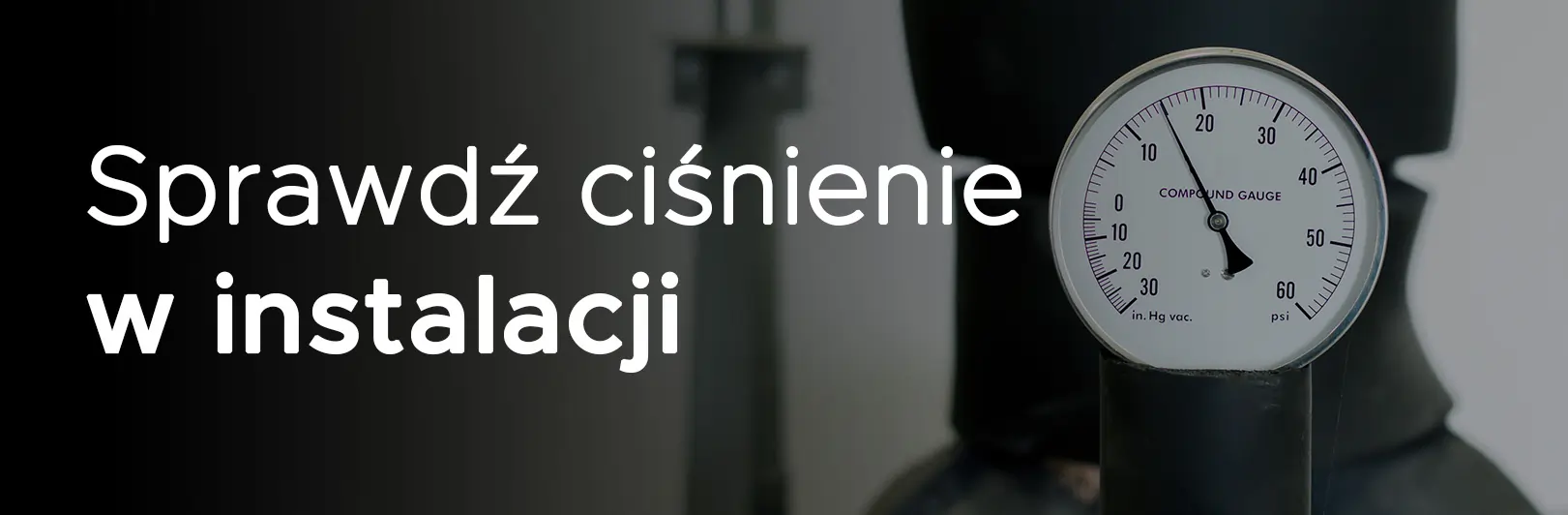
1. check system pressure
The first thing to verify - the pressure in the central heating circuit. When it falls below the minimum value (usually 1.0-1.5 bar, in multi-story buildings the pressure may be higher), the furnace may not be able to push water to the radiators. The symptoms? Hot furnace, but cold radiators.
Solution:.
Top up the water in the system, using the filling valve (usually under the boiler). Do it slowly, checking the pressure gauge readings. If pressure drops are frequent, this may indicate a leak in the system.
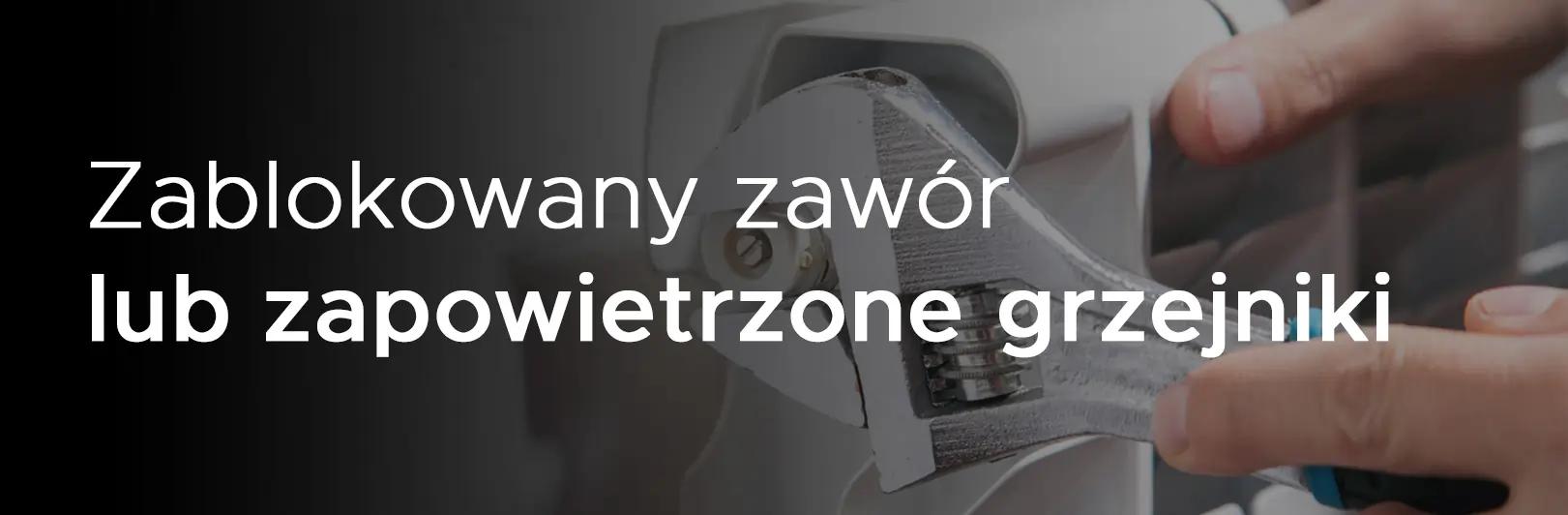
2. blocked valve or aerated radiators
Another possible cause is a lack of flow through the radiators. Often the culprit is either screwed-down thermostatic valves or airing up the system, especially after starting the heating after a long break.
Solution:.
- Make sure that the valves at the radiators are unscrewed.
- Bleed the radiators - all you need is a special wrench or screwdriver. You start with the highest radiators in the building.
- Check if the thermostatic valves are not blocked with sediment. If so, lightly unblock them.
Check out Stalmark pellet boilers and get a free consultation
3. circulating pump failure
If the furnace works, but there is no water flow in the system, it may mean that the circulation pump is faulty. In modern furnaces, there is often a corresponding error on the controller. In older models, the symptom is a complete lack of heat despite the operation of the burner.
Solution:.
- Listen to see if the pump is working (gentle buzzing or vibration).
- Check if it is not vented. Sometimes it helps to gently loosen the vent screw on the body.
- If the pump does not start, it may be blocked or burnt. Then a replacement or reconditioning will be necessary.
4. incorrect controller settings
Even if everything works mechanically, a poorly set controller can stop the heat feed. A common case: the "summer" mode, a low setpoint temperature threshold or active hot water (DHW) priority mode.
Solution:.
- Check the operation mode of the furnace. It should be set to "winter" or "central heating".
- Make sure that the set temperature for central heating is not lower than the room temperature.
- If you have a boiler, check that the furnace does not heat only DHW at the expense of radiators.
5. dirty filter or clogged system
Contaminants in the system can restrict water flow. This often affects mesh filters, especially in older installations without dirt separators. What is the manifestation of such a failure? The radiators at the beginning of the system still heat up, but those further away no longer do.
Solution:.
- Check the mesh filter on the return of the system - just clean it under running water.
- If there is a magnetic separator in the system - it also needs cleaning.
- In more difficult cases, it may be necessary to flush the entire system.
6. defective three-way valve or actuator
In more elaborate heating systems (for example, with a buffer or DHW tank), heat is distributed through a three-way valve. If the valve locks in the "boiler" position, the water will not reach the radiators.
Solution:.
- Check the valve and actuator - do they respond to signals from the controller?
- If necessary, adjust the valve manually (if the design allows it) or have it checked by a service technician.
- When you are not sure, call a professional.
Although many malfunctions can be detected and repaired by yourself, it is not always worth the risk. If, despite all attempts, the furnace does not give heat to the radiators, contact an authorized service center. Delaying repairs for too long can result in overheating of the furnace, failure of the controller or damage to pumps and valves.

FAQ
**1. Can too few heaters on affect the operation of the furnace?
Yes. If you have very few open radiators (for example, only one or two), the water flow in the system may be too low for the furnace to work properly.
** 2. Can inadequate pipe diameter cause heating problems?
Yes. If the pipes in the system are too thin or poorly matched to the power of the furnace and the number of radiators, this can cause poor flow, temperature differences and uneven heating of rooms. In such cases, it is worth consulting a plumber or plumbing designer.
**3. Can water in the central heating system wear out and affect heating performance?
Although "wear and tear" of water is a simplification, over time it can become contaminated with deposits, metal oxides and chemical compounds that reduce the efficiency of the system. If the system is several years old and has never been flushed, heating performance may be affected - consider a chemical cleaning service.