If the furnace takes a long time to reach temperature, it may indicate a problem with the settings, the installation or the device itself. Find out why the furnace takes a long time to reach the set temperature and what you can do about it.
Highlights from the article:
- If the furnace takes a long time to come up to temperature, the most common causes are incorrect settings, too little power or problems with the heating system.
- The condition of the boiler, the quality of the fuel and the insulation of the building also affect the heating time.
- In many cases, the problem can be solved by optimizing settings and simple maintenance of the heating system.
Why does the stove take a long time to come up to temperature?
Most often, the cause is a mismatch between the boiler's operating parameters and the building's actual heat demand. The problem may be due to both the controller's settings and the condition of the heating system.
The most common causes include:
- furnace power too low in relation to the area of the house,
- incorrect temperature or hysteresis settings,
- dirty heat exchanger,
- vented installation,
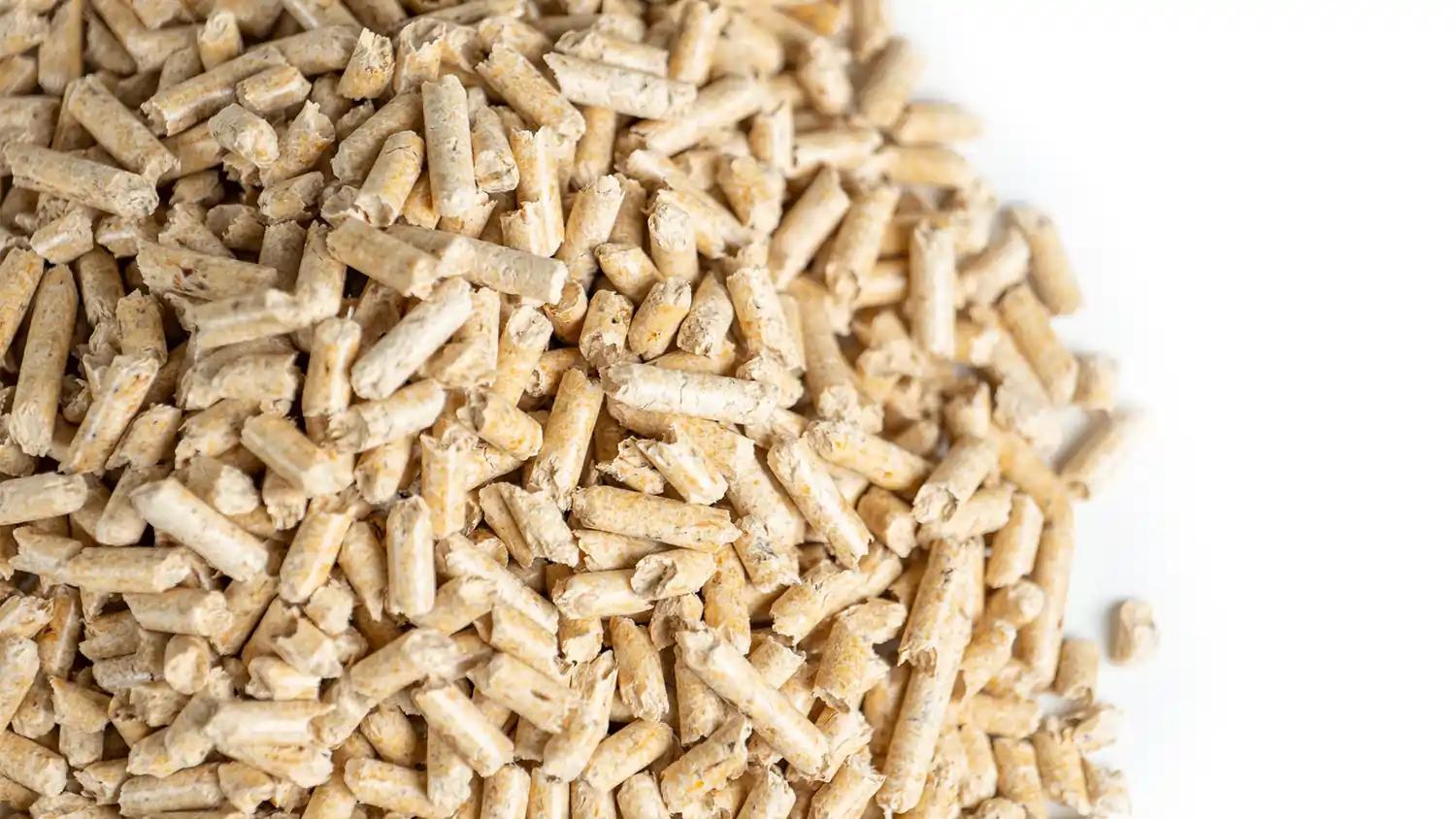
- poor fuel quality.
Any of these factors can increase heating time and reduce heating efficiency.
The furnace takes a long time to reach the set temperature - is this normal?
In certain situations, slower heating is perfectly natural. This is especially true during periods of high frost or when the installation was previously turned off and needs to reheat.
Concern should be raised when:
- the furnace does not reach the set temperature,
- the heating time has significantly increased,
- the heating system operates unevenly.
In such cases, it is worth carefully checking the operation of the system.
How do the settings affect the heating time of the oven?
The controller settings have a huge impact on how quickly the furnace reaches temperature. Even minor errors can cause significant heating delays.
The most important parameters are:
- setpoint temperature,
- hysteresis,
- boiler operating power,
- combustion parameters (e.g., fuel feeding in pellet boilers).
Too low a set temperature or limited power can make the furnace run too slowly to heat the system quickly.
Can a heating system slow down heating?
Yes, the condition of the heating system directly affects the efficiency of heat transfer. Even an efficient furnace will not work properly if the system has problems.
The most common faults are:
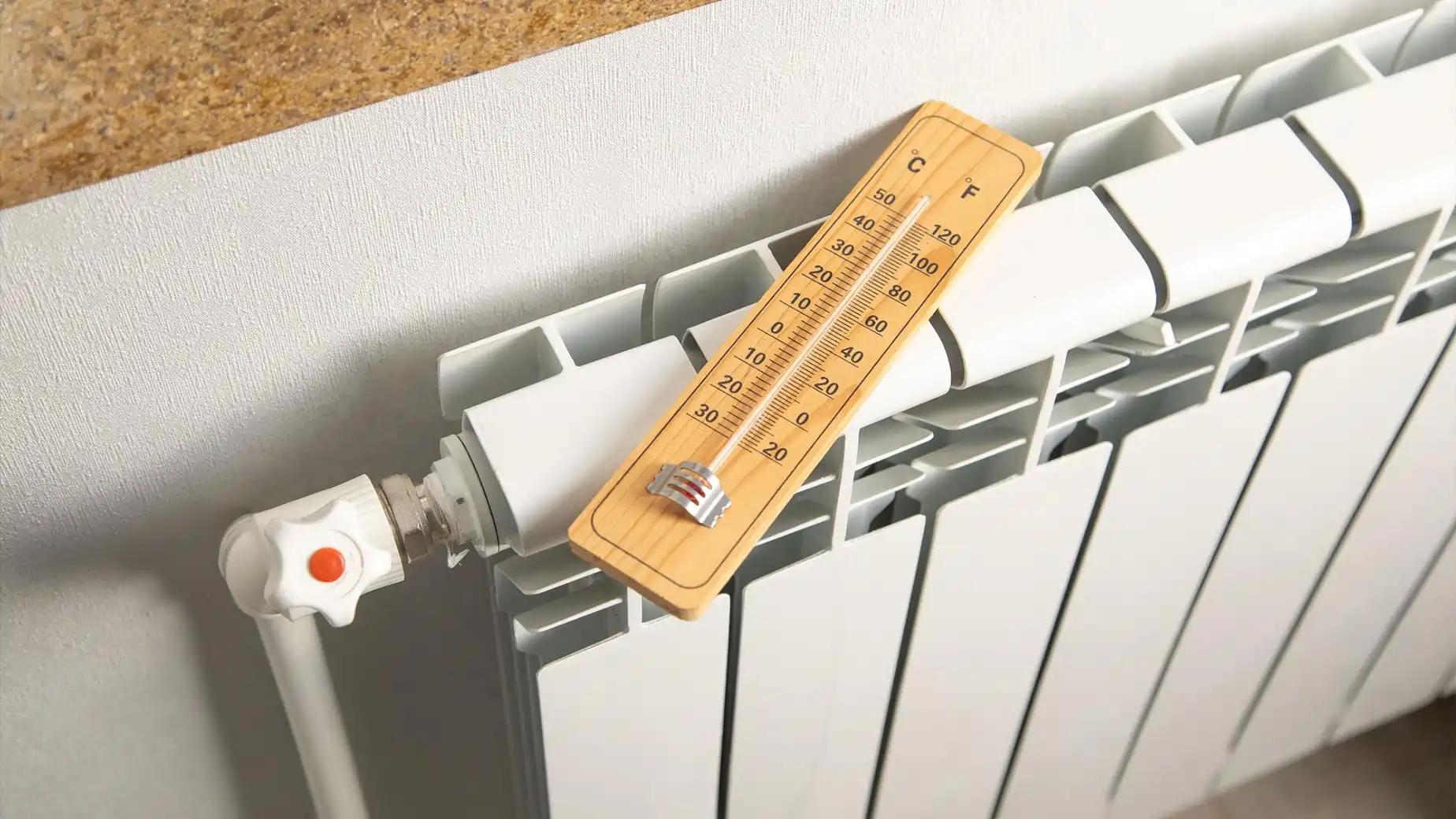
- vented radiators,
- impurities in the installation,
- incorrect water flow,
- improperly selected circulation pumps.
Such problems can result in heat not being evenly distributed throughout the building.
How to improve the heating time of the stove?
In most cases, the problem can be solved with relatively simple measures. The key is to adjust the settings and check the condition of the installation.
It is worth starting with:
- adjusting the controller settings,
- venting the installation,
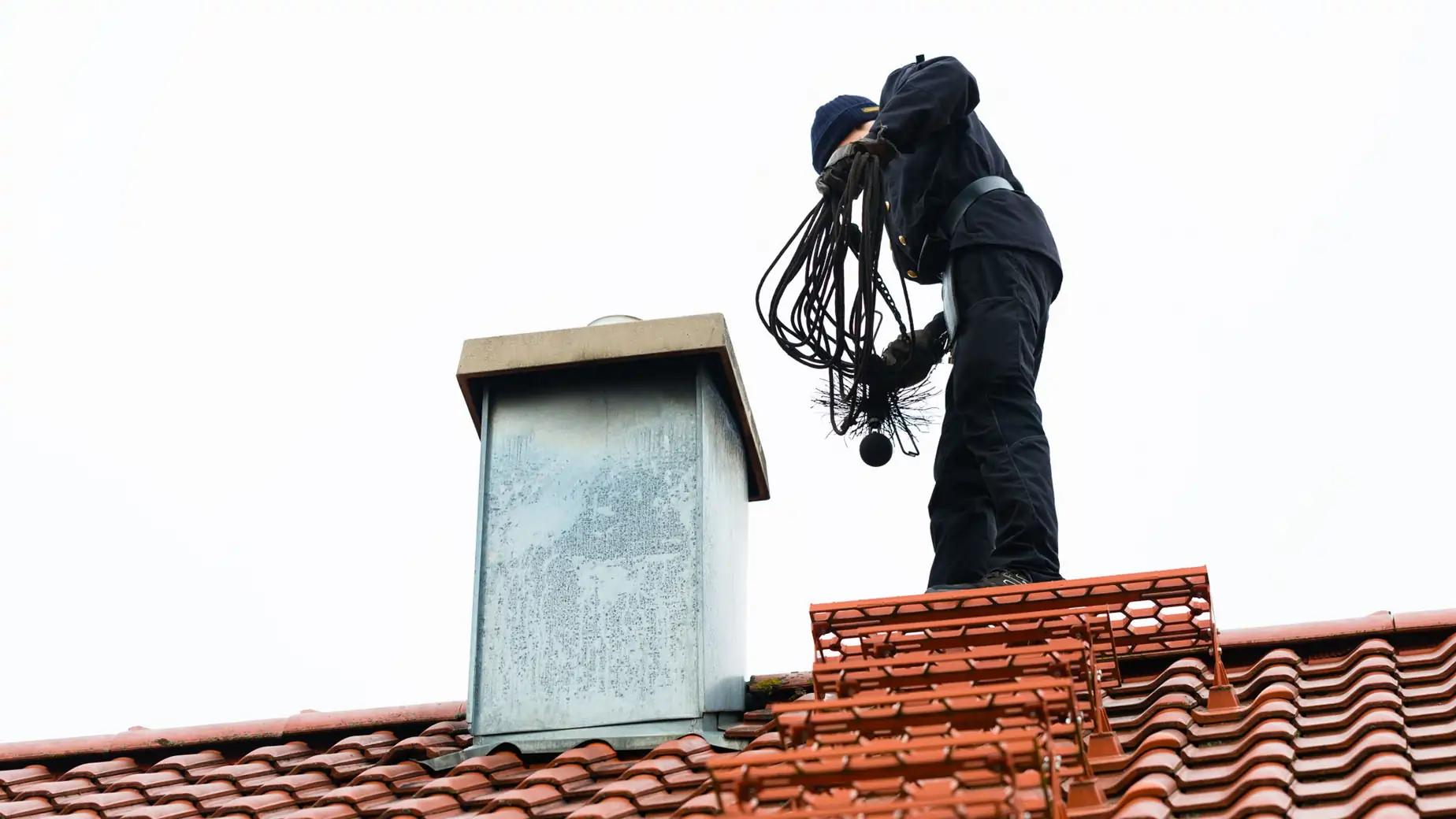
- cleaning the furnace and exchanger,
- checking the quality of the fuel.
Such actions often significantly reduce the time to reach temperature.
What to check when the stove takes a long time to heat up? Checklist
If you notice that the stove is running slower than usual, it is worth going through a short checklist:
- Check the controller settings.
- Evaluate the power of the furnace relative to the building.
- Inspect the heating system.
- Verify the quality of the fuel.
- Pay attention to the insulation of the house.
Systematic inspection of these elements allows you to quickly identify the cause of the problem and restore proper operation of the heating system.
If your furnace takes a long time to come up to temperature, perhaps the problem lies in the device itself. **Check out the modern boilers available at Stalmark, which are designed for fast heating and stable operation of the heating system.
FAQ
** Does the low temperature outside affect the operation of the furnace?**
Yes. In severe cold weather, the furnace takes longer to reach the set temperature because the building loses heat faster.
Does a vented system prolong heating?
Yes. Air in the system impedes the flow of water, so the heat is not evenly distributed.
Does the quality of the fuel make a difference in the operation of the stove?
Yes. Low-quality fuel burns less efficiently, which can increase the heating time and reduce the efficiency of the boiler.
Should every stove reach temperature quickly?
Not always. Warm-up time depends on the power of the unit, the size of the installation and external conditions, but a marked increase in the process may indicate a problem.