Proper chimney draft is of great importance for safety and heating efficiency. If it is too weak, flue gases can back up into the room. So it's useful to know how to improve the draft in the chimney when the natural air flow is not working properly.
Highlights from the article:
-
Chimney draft problems are most often due to an obstructed flue, improper ventilation of the room or unfavorable weather conditions.
-
To improve or increase the draft in the chimney, it is worthwhile to take care of regular cleaning of the flue, adequate air supply to the room and proper chimney construction.
-
When the natural draught is too weak, technical solutions such as chimney cowls or airflow support systems can help.
How does chimney draft work and why is it so important?
Chimney draught is created by the temperature difference between the hot flue gases and the air outside the building. The warm flue gases rise to the top of the flue, allowing them to be safely discharged outside.
Correct draft is crucial to the operation of the heating system. Thanks to it, flue gases are efficiently removed from the boiler or fireplace, and the combustion process is stable.
When the draught is too weak, problems arise with kindling, and smoke can enter the premises.
How to recognize chimney draft problems?
Chimney draft problems can usually be recognized by several characteristic symptoms. Most often, there are difficulties in lighting a stove or fireplace, and the fire quickly goes out despite the supply of fuel.
Typical signals of poor draft include:
- smoke withdrawal into the room,
- smoke odor in the house,
- uneven fuel combustion,
- difficulty in maintaining a stable fire.
If such situations occur regularly, it is worth checking the patency of the flue and the ventilation conditions in the building.
How to improve the draft in the chimney?
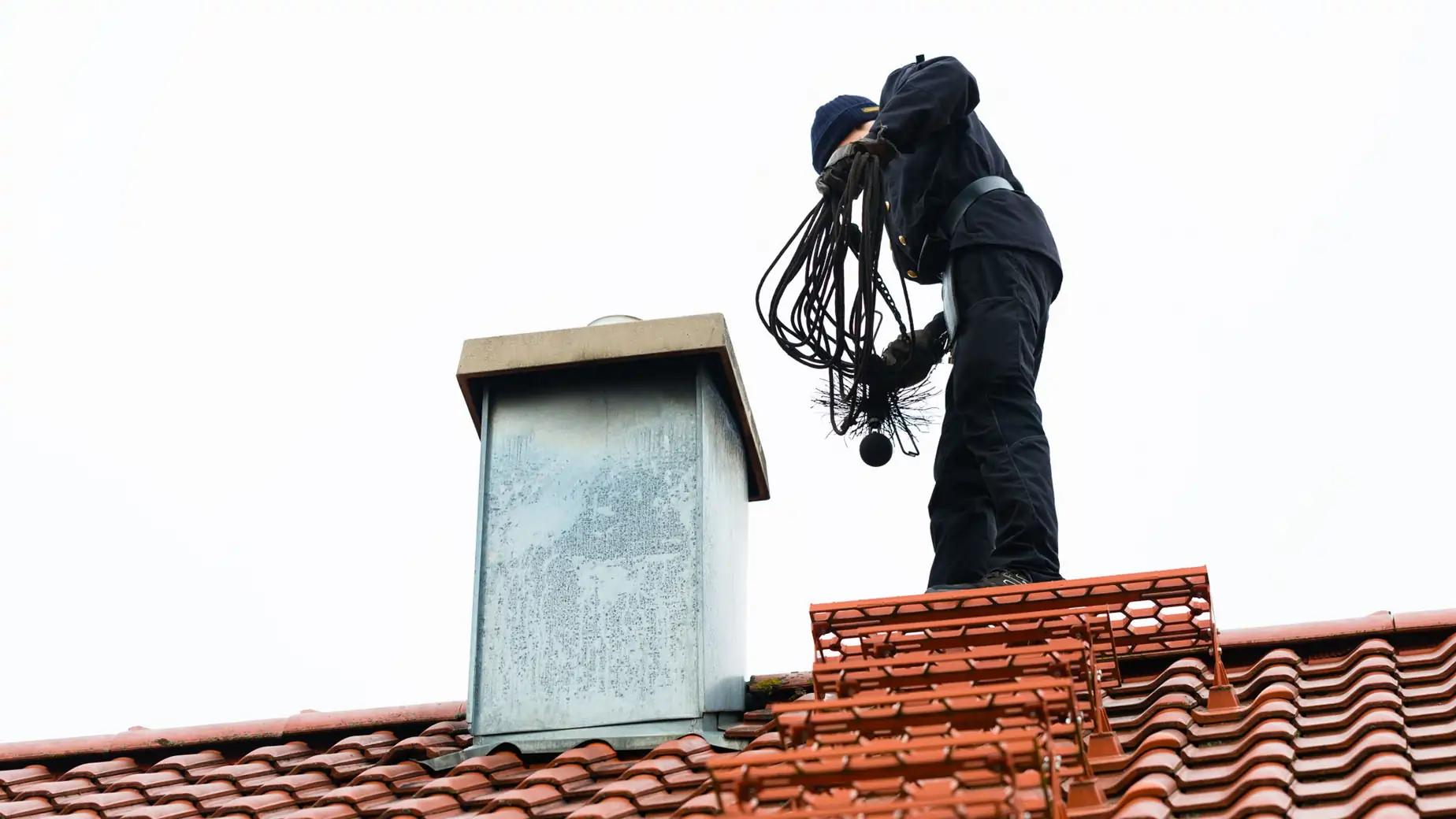
One of the easiest ways to improve chimney draft is to thoroughly clean the flue. Over time, soot and other debris builds up in the chimney, which can restrict the flow of flue gases.
Regular chimney inspections help keep the flue clear and prevent draft problems.
Equally important is ensuring an adequate air supply to the room. In modern, airtight buildings, a lack of supply can result in a weakening of the natural chimney draft.
In such situations, the following can be helpful:
- window ventilators,
- ventilation grilles,
- unsealing windows during kindling.
How to increase the draft in the chimney in practice?
If basic measures don't work, it's a good idea to use technical solutions that improve airflow in the flue.
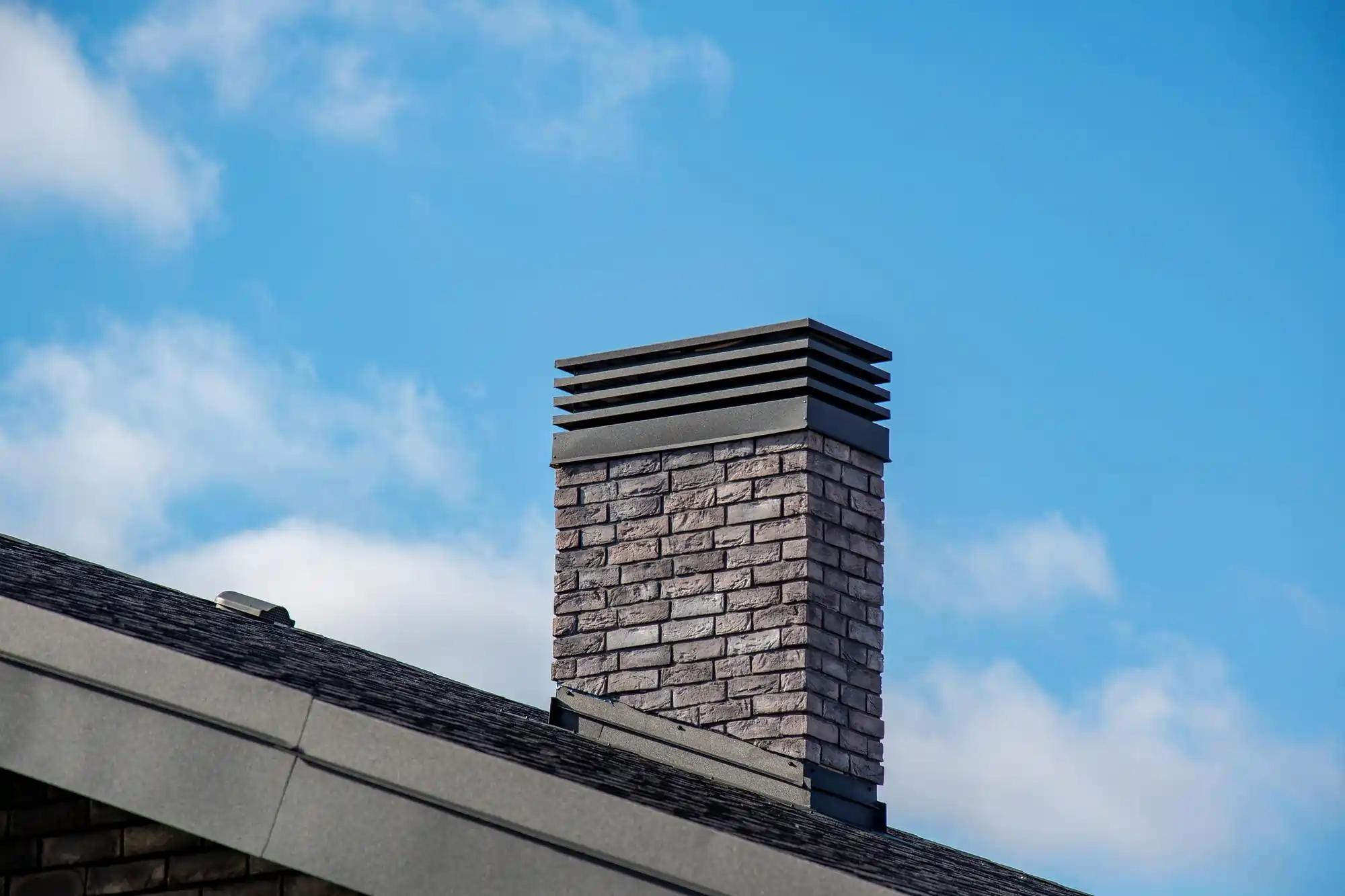
One of the most common solutions is the installation of a chimney cap. This type of element stabilizes the air flow and protects the chimney from the negative impact of strong winds.
In many cases, this effectively increases the draft in the chimney and improves the operation of the heating system.
The height of the chimney is also important. A chimney that is too low can restrict the natural draught, so in some cases it is necessary to upgrade the chimney.
How to force a draught in the chimney when the natural one is too weak?
Sometimes the natural draught in the chimney is insufficient, especially when firing up a boiler in a cold chimney. In such a situation, you can use solutions that help force the draft in the chimney.
One way is to gradually warm up the flue by lighting a small fire. Warming up the air in the chimney improves its ability to carry the flue gases.
Mechanical draft aids, such as special rotary cowls or chimney fans, are also used in more demanding cases.
What affects the chimney draft?
The strength of the chimney draft is affected by many factors related to both the installation and external conditions. The most important of these are:
- chimney height and design,
- temperature of the flue gas,
- chimney flue obstruction,
- atmospheric conditions, such as wind or air temperature.
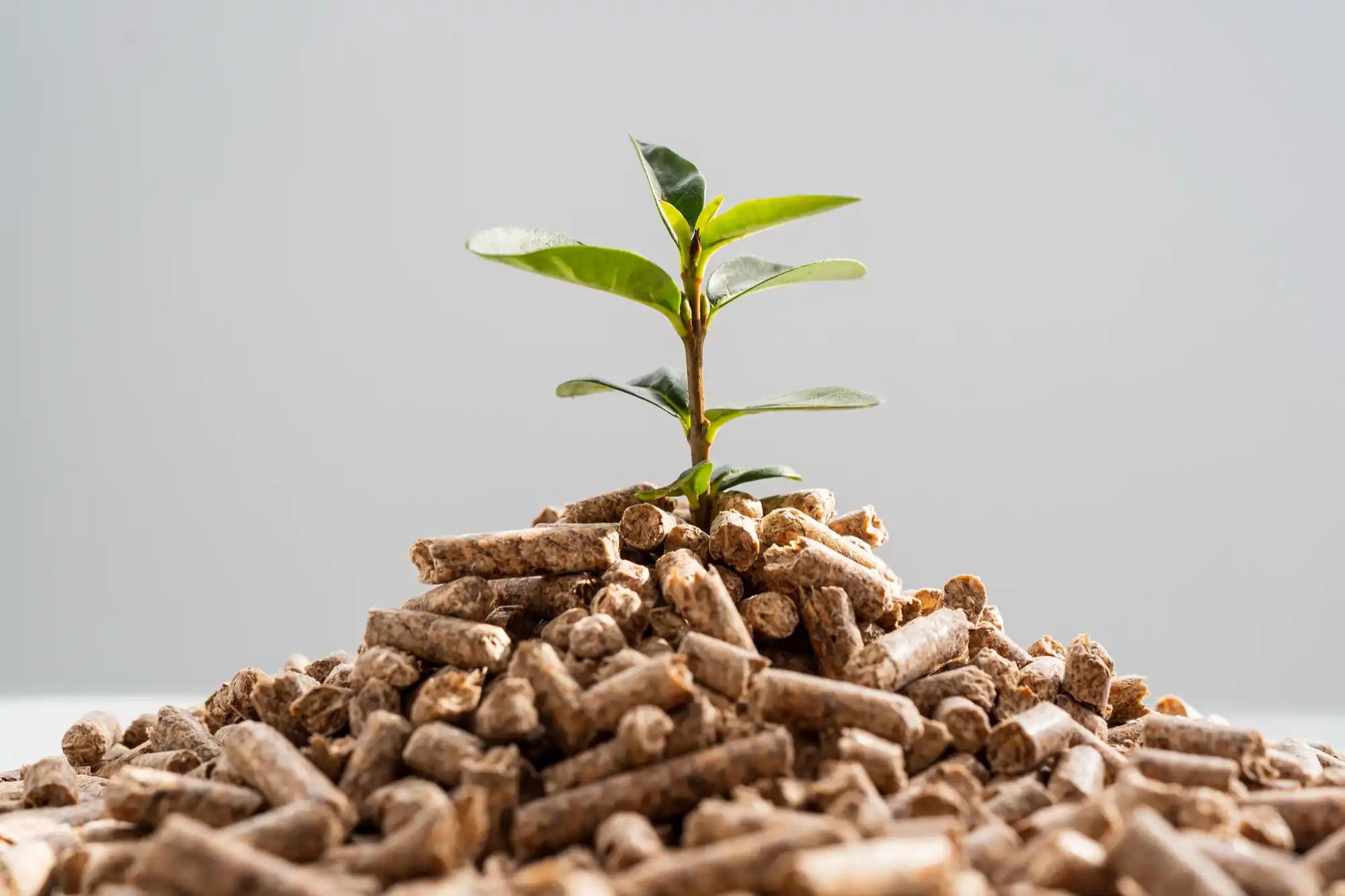
The way the fuel is burned is also important. Modern pellet boilers, such as the solutions offered by Stalmark, ensure a stable combustion process and proper flue gas temperature, which helps maintain proper chimney draft.
How to prevent chimney draft problems?
The best way to avoid chimney draft problems is regular maintenance of the heating system.
Cleaning the chimney and checking the duct's patency allows you to quickly detect any irregularities. It is also worth taking care of proper ventilation of the premises and using good quality fuel.
In this way, the heating system will work stably, and the chimney draught will remain at the right level throughout the heating season.
FAQ
Does weather affect chimney draft?
Yes. Low temperatures usually improve chimney draft because they increase the temperature difference between flue gases and the air outside. Strong winds or very warm weather, on the other hand, can weaken draft.
Does a chimney cap help increase the draft in a chimney?
Yes, in many cases. A chimney cap stabilizes the airflow and helps the flue gases drain better, especially in strong winds.
Why does smoke back up from the chimney into the room?
Most often it is the result of poor chimney draft. The cause can be an obstructed chimney, lack of airflow into the room, or a cold flue during kindling.
How often should the chimney be cleaned?
It is a good idea to clean the chimney at solid fuel installations several times during the heating season. Regular cleaning removes soot and helps maintain proper chimney draft.