Too high pellet combustion is a problem that many biomass boiler users face. In this article, we explain how to reduce the pellet feed to make the boiler run more efficiently and economically.
Highlights from the article:
-
Reducing pellet feeding is possible with the proper adjustment of the boiler controller - especially the timing of fuel feeding, intervals between doses, and adjusting the power of the device to the demand of the building.
-
Pellet consumption is also affected by external factors such as fuel quality, boiler efficiency and cleanliness, and building insulation, which determines the level of heat loss.
-
The use of temperature programmers and modern pellet boilers with automatic power modulation can improve combustion efficiency and reduce heating costs.
How to reduce the pellet feed in the boiler?
To reduce pellet feeding, first of all, you need to optimize the settings of the controller and adjust the operation of the boiler to the actual heat demand of the building.
One of the most important elements is the adjustment of feeder parameters. Appropriate setting of pellet feeding time and intervals between doses allows to stabilize the combustion process and reduce excessive fuel consumption.
This is because too high a dose of pellets causes inefficient combustion and increases heating costs.
It is also worth adjusting the power of the boiler to the needs of the building. If the device works too intensively in relation to the demand for heat, the combustion of pellets increases. Modern pellet boilers offer a function of power modulation, thanks to which the device automatically adjusts its operation to the current conditions.
How to reduce pellet consumption through proper boiler settings?
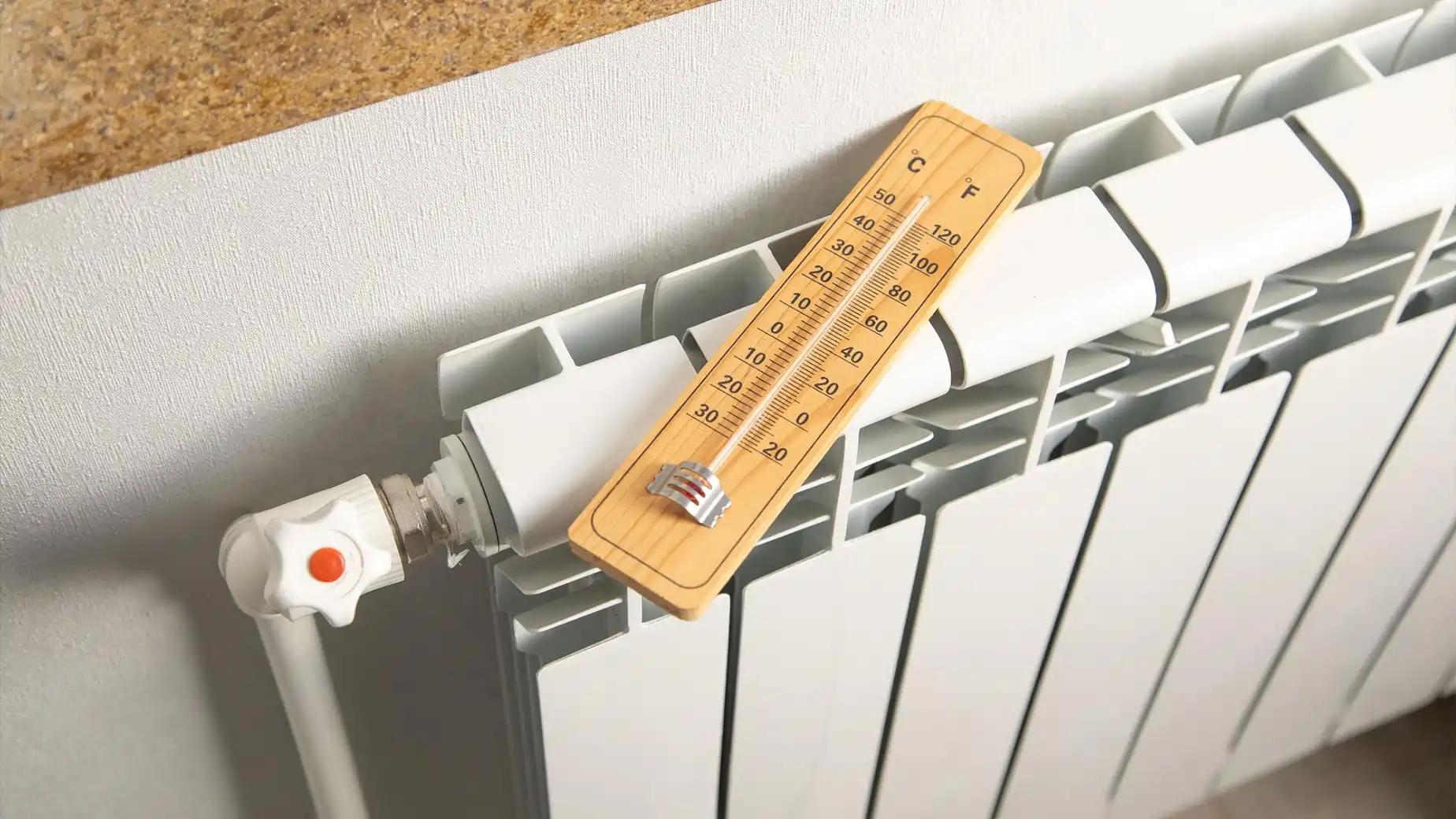
The correct configuration of the temperature and mode of operation of the heating system has a major impact on the amount of pellets consumed.
The operating temperature of the boiler plays a key role. Settings that are too high will cause more fuel to burn, while settings that are too low can reduce heating efficiency.
Therefore, it is worth adjusting the parameters to the specifics of the heating system and the size of the heated area.
What affects the consumption of pellets in a boiler?
Pellet combustion is affected not only by the boiler setting, but also by many other factors related to the installation and the building itself.
The most important of these are:
- quality of pellets and their calorific value,
- fuel moisture content,
- boiler efficiency and burner cleanliness,
- building insulation and heat loss,
- exterior temperature during the heating season.
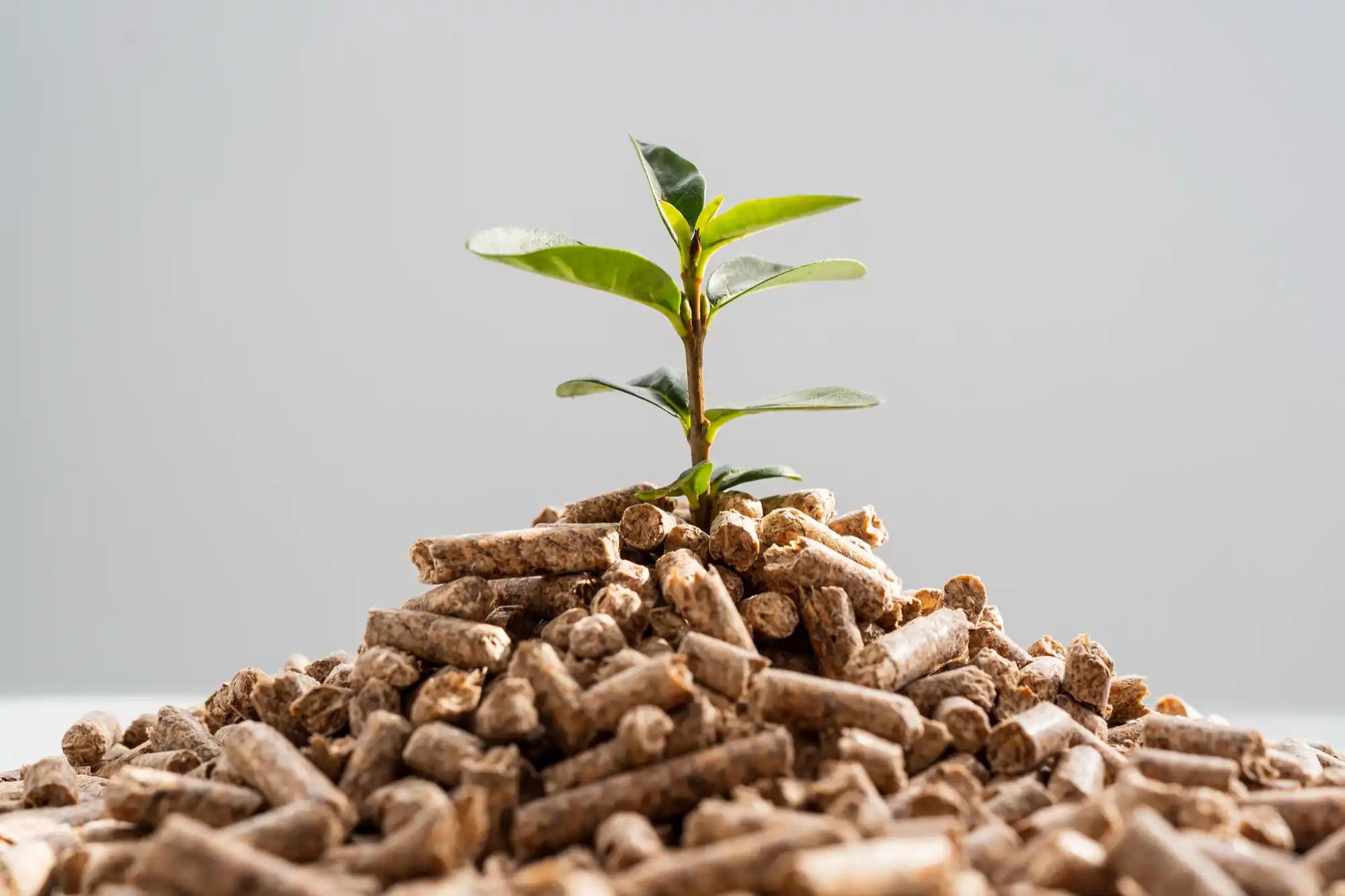
Low-quality pellets may burn less efficiently, resulting in the need to feed more fuel. Therefore, it is advisable to choose certified pellets with stable energy parameters.
The insulation of the building is also of great importance. Leaky windows or lack of adequate insulation cause heat escape, which automatically increases fuel consumption.
The use of temperature programmers is also a good solution. By automatically lowering the temperature at night or when the householder is away, you can reduce the consumption of pellets without affecting the thermal comfort in the house.
How to reduce pellet burning - a practical checklist
If you're wondering how to reduce your pellet consumption, it's a good idea to start with a few basic steps:
- Check the pellet feed time settings on the controller.
- Adjust the boiler temperature to the heating system.
- Use pellets of good quality and high calorific value.
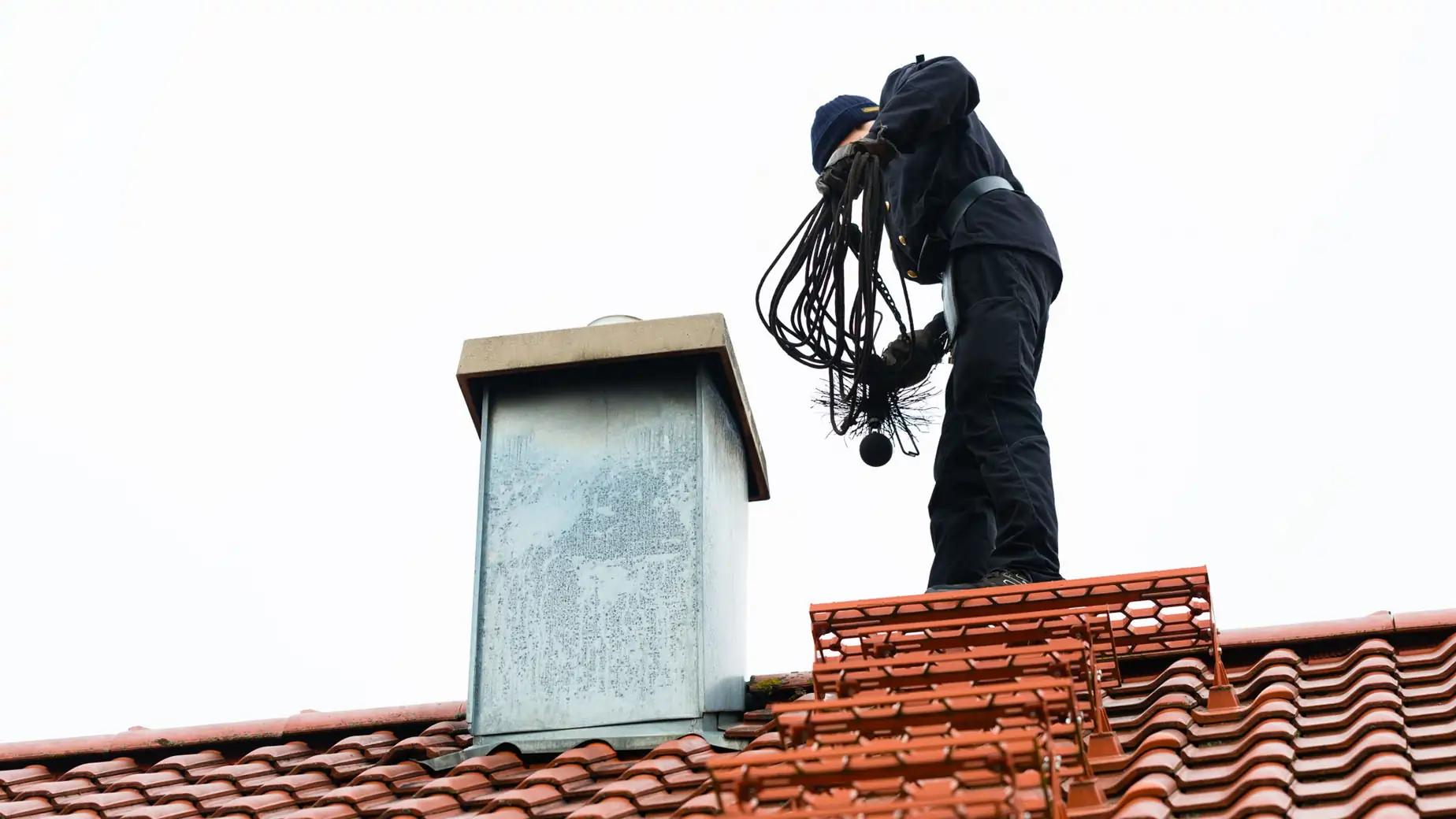
- Regularly clean the boiler and burner.
- Control the room temperature and use the programmer.
Such measures help improve combustion efficiency and reduce heating costs during the heating season.
Do modern boilers help reduce pellet consumption?
Modern heating devices, like these: Stalmark pellet boilers, are designed to maximize the efficiency of fuel combustion. Automatic controllers, power modulation systems and temperature sensors help keep the boiler running steadily and reduce energy losses.
Pellet boilers equipped with advanced controls can independently adjust the combustion parameters to the current heat demand, resulting in real savings in fuel consumption.
If you want to reduce pellet feeding even more efficiently and reduce heating costs, it is worth betting on modern heating solutions. Check out Stalmark's range of pellet boilers, which are designed for high combustion efficiency, stable operation and maximum energy efficiency. With advanced control systems, you can better control the combustion process and reduce pellet consumption in your home.
FAQ
Will reducing the pellet feed lower the temperature in the house?
It doesn't have to. If the pellet feed is reduced properly, and the boiler settings are adjusted to match the building's heat demand, heating will still be efficient. The key is to optimize the boiler's operating parameters, not to reduce the fuel feed too much.
How much pellets does the boiler consume during the heating season?
The consumption of pellets depends on many factors, such as the area of the house, the insulation of the building and the temperature during the heating season. For a single-family house of about 120-150 m², the annual consumption of pellets is usually about 3 to 5 tons.
Does pellet quality affect fuel consumption?
Yes. Pellets with high calorific value and low moisture content burn more efficiently, so the boiler needs less fuel to produce the same amount of heat.
How often to clean a pellet boiler?
It is a good idea to inspect and clean basic boiler components, such as the burner and combustion chamber, every few days or every week during the heating season. Thorough cleaning of the entire boiler and technical inspection is recommended at least once a year.