A pellet boiler is a modern and convenient heat source with high efficiency and environmental performance. However, many users wonder whether it is possible to burn wood in it. Before you try it, it is worth learning about the the risks of improper use.
How does a pellet boiler work?
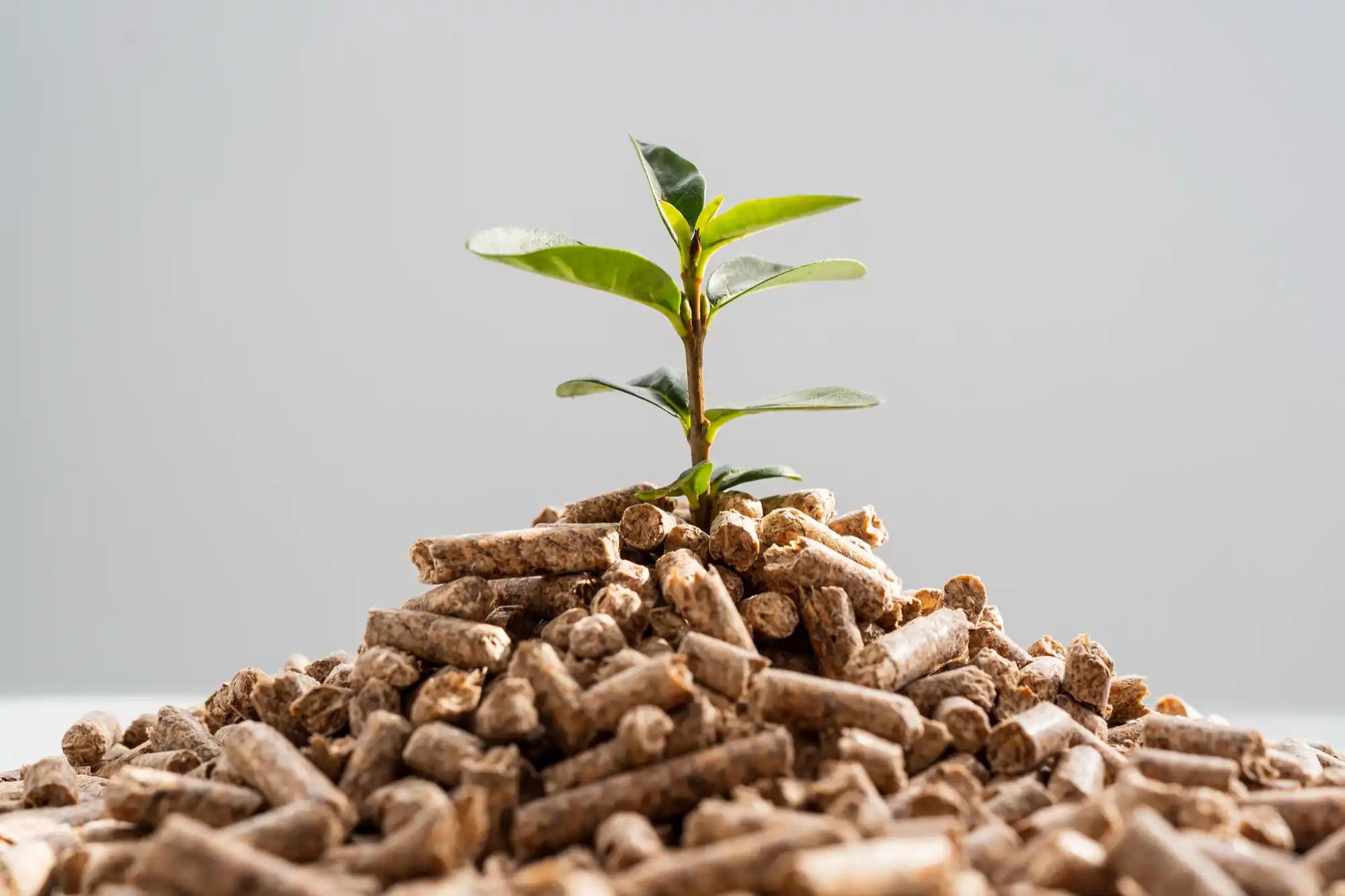
Pellet Boiler is designed specifically for burning wood pellets. Pellets enter the combustion chamber via a feeder, and the entire process is precisely controlled by electronics. As a result, the user gains:
- automatic fuel dosage,
- constant combustion temperature,
- high energy efficiency (often above 90%),
- clean and safe combustion.
It is worth noting that the design of the pellet boiler is strictly tailored to the characteristics of this fuel - from the shape of the burner to the air supply system to the exhaust.
Is it possible to burn wood in a pellet boiler?
Pellet Boiler is designed specifically for burning wood pellets. Pellets enter the combustion chamber via a feeder, and the entire process is precisely controlled by electronics. As a result, the user gains:
- automatic fuel dosage,
- constant combustion temperature,
- high energy efficiency (often above 90%),
- clean and safe combustion.
It is worth noting that the design of the pellet boiler is strictly tailored to the characteristics of this fuel - from the shape of the burner to the air supply system to the exhaust.

Why pellets and not wood?
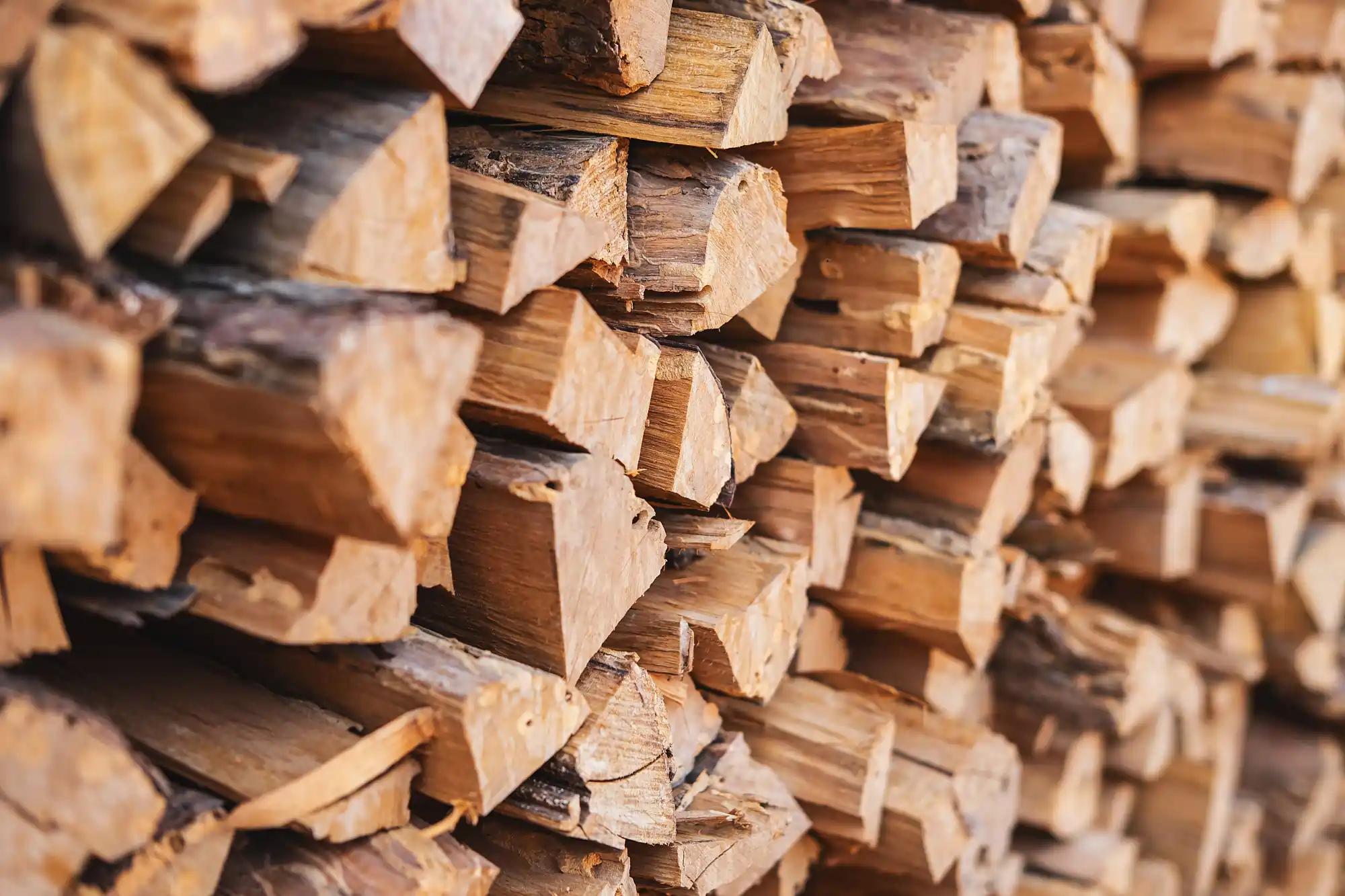
The answer is no. Although theoretically you can throw pieces of wood into the combustion chamber, the device is not designed for this. Burning wood in a pellet boiler causes a number of problems that can lead to serious damage to the device.
- disruption of the feeder - the boiler is not able to automatically control the amount of wood.
- lower efficiency - wood burns differently than pellets, leading to energy loss.
- Increased risk of failure - high temperature and other combustion conditions can damage the burner, exchanger or control electronics.
- Increased emissions - the boiler ceases to be an ecological device, and there is more dust and soot in the flue gas.
Consequences of burning wood in a pellet boiler
If you choose to burn wood in a pellet boiler, you need to take into account consequences such as:
- loss of the manufacturer's warranty - most companies clearly state in the instructions that the device is only for burning pellets;
- faster wear and tear of components - servicing and repairs can be costly;
- risk of fire - improper fuel increases the possibility of overheating boiler components.
What are the alternatives to wood in a pellet boiler?
If you want to use the device flexibly, a hybrid boiler - combining the function of a pellet and wood boiler - may be the solution. Such designs exist and allow you to burn both pellets and pieces of wood, but they are a completely different class of equipment than typical pellet boilers.
Attempting to use wood in a classic pellet boiler leads to a decrease in efficiency, higher emissions, risk of failure and even loss of warranty.
Only the fuel specified in the technical documentation of a particular model should be used in Stalmark pellet boilers. Burning materials other than those recommended by the manufacturer - such as wood, briquette, coal or waste - is forbidden and may lead to damage to the device, loss of warranty and increased emissions. The manufacturer is not responsible for damages resulting from improper operation or use of unauthorized fuel.

FAQ
1. Can wood briquettes be burned in a pellet boiler?
Briquette, like wood in pieces, is not designed to be burned in a pellet boiler. It has a different density, moisture content and combustion method, so it can damage the burner or interfere with the operation of the device.
Does burning wood in a pellet boiler reduce heating costs?
On the contrary, burning wood in such a boiler reduces efficiency and results in higher energy consumption.
3. Can wood be added to the pellet boiler as an emergency when the pellets run out?
No. In the absence of pellets, the boiler should simply be turned off. Adding wood "emergency" may end up damaging the control electronics and feeder.
4. What alternative fuels can be used instead of pellets?
Some manufacturers allow the combustion of agropellets (such as from sunflower hulls), but you should always check the instructions of the device. Wood pellets, however, remain the primary and safest fuel.